Last updated November 23, 2026
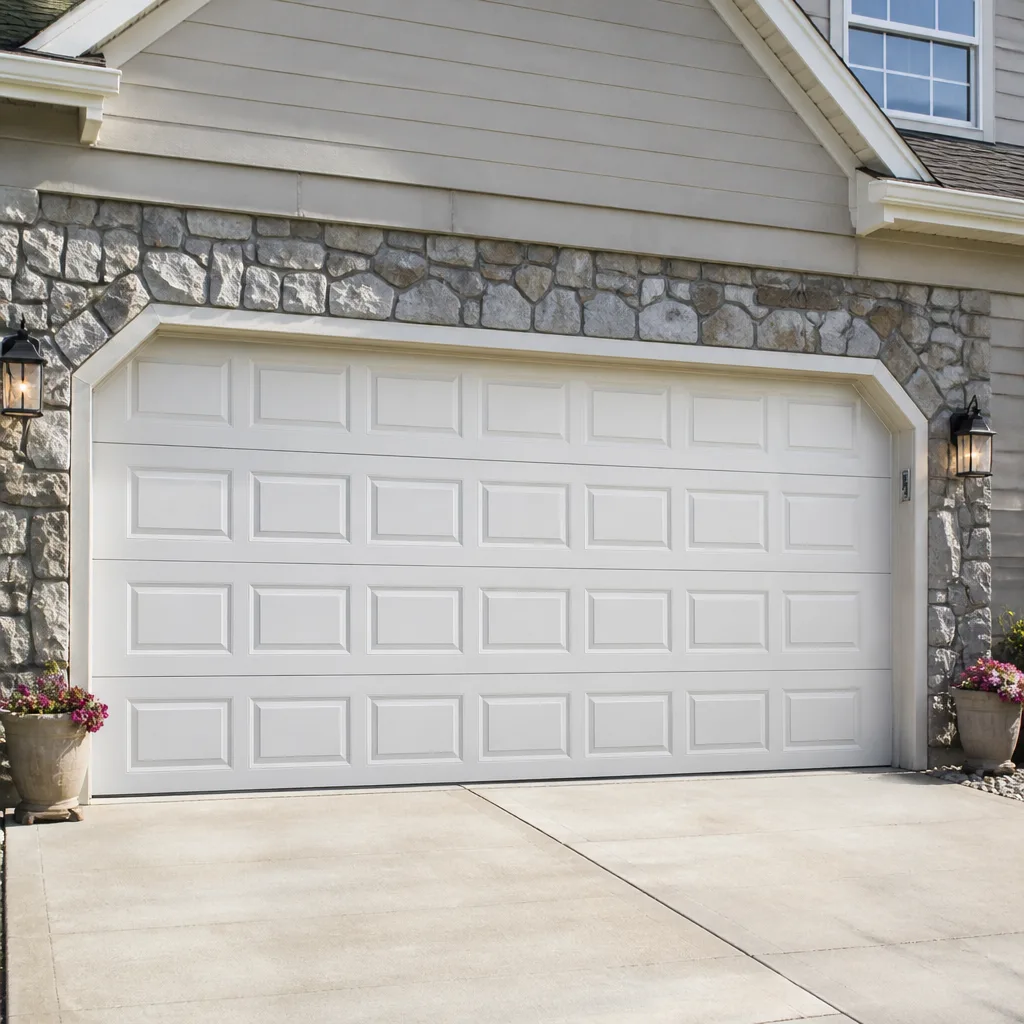 Raised-panel steel
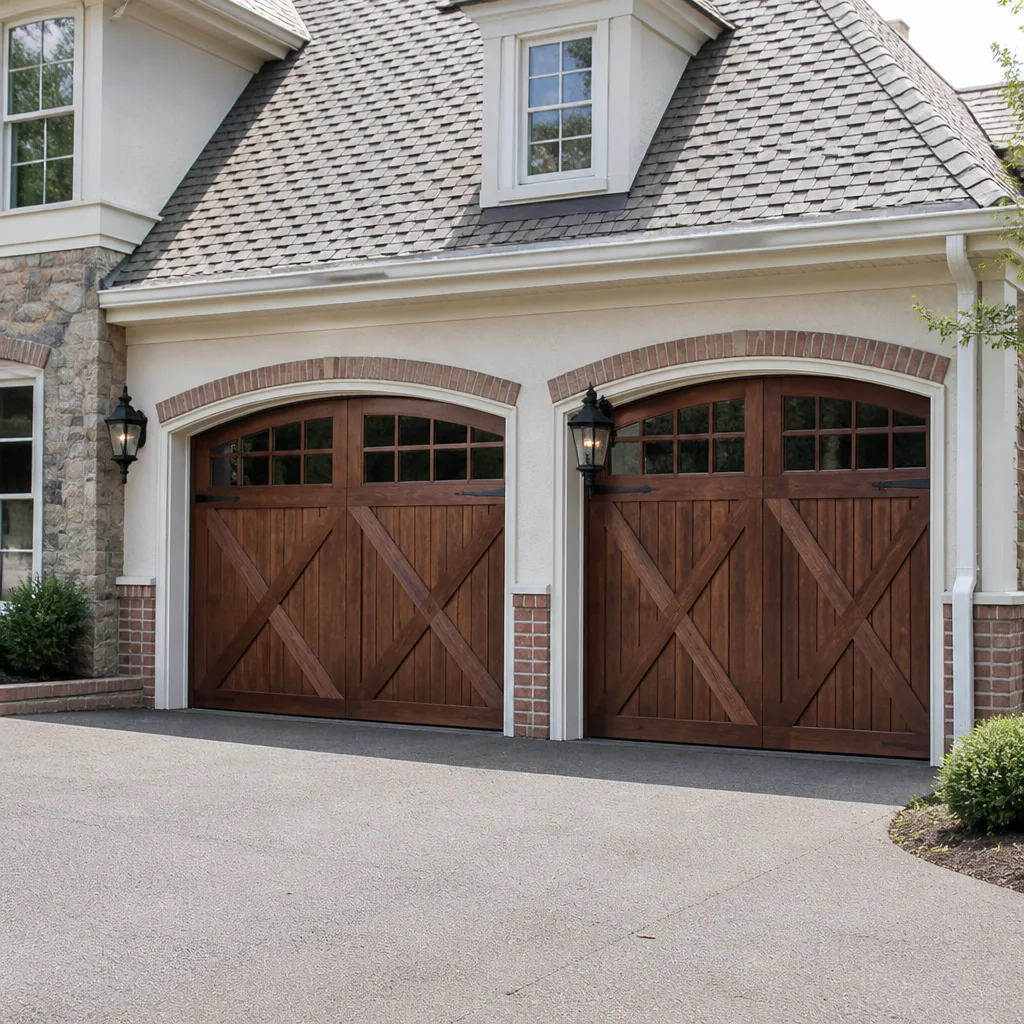 Carriage house
 Modern flush
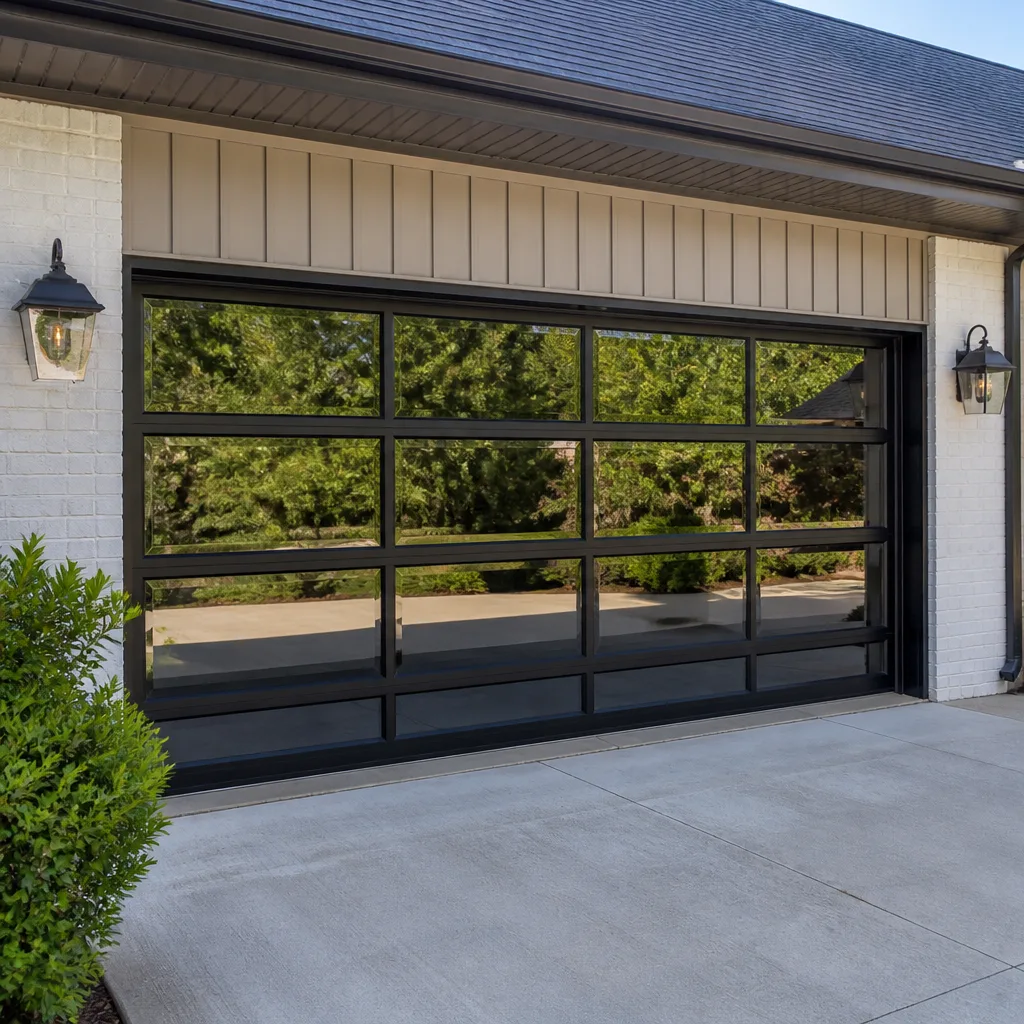 Full-view glass
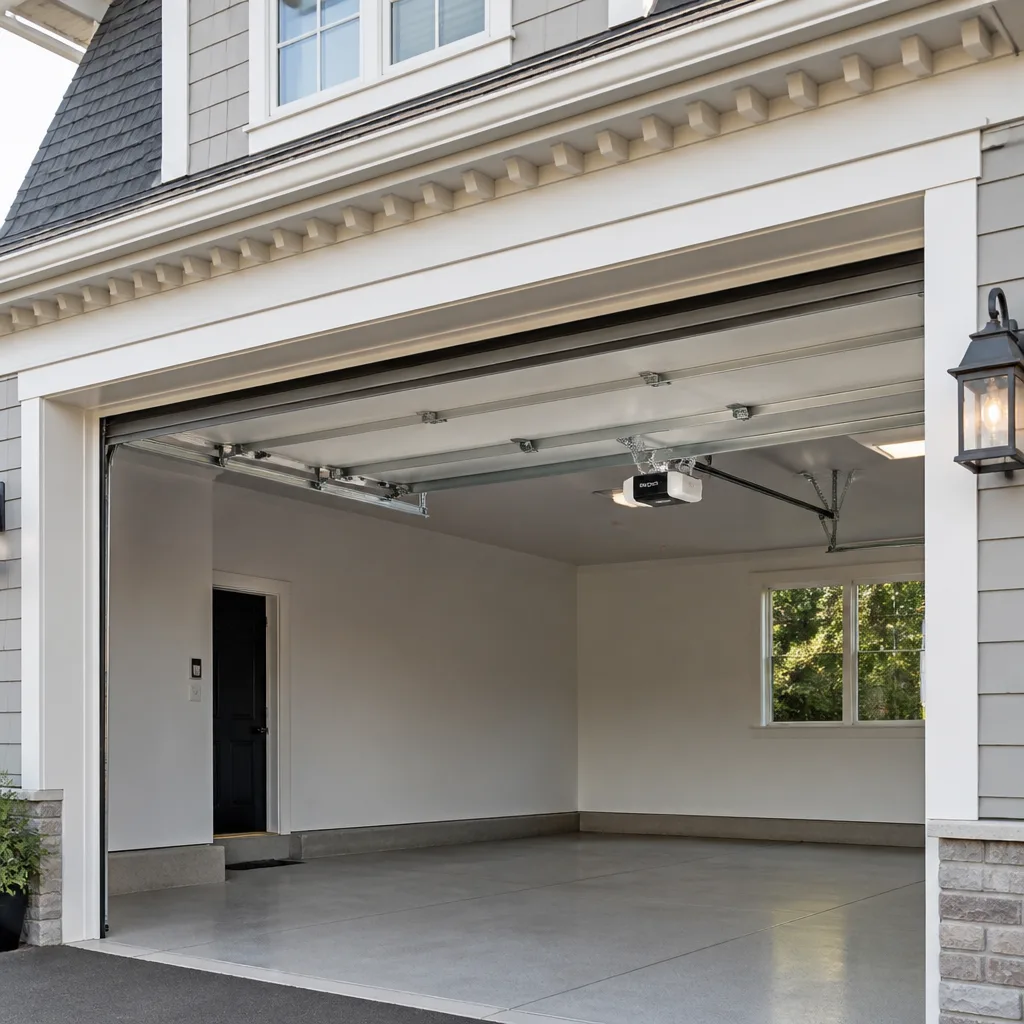 LiftMaster openers
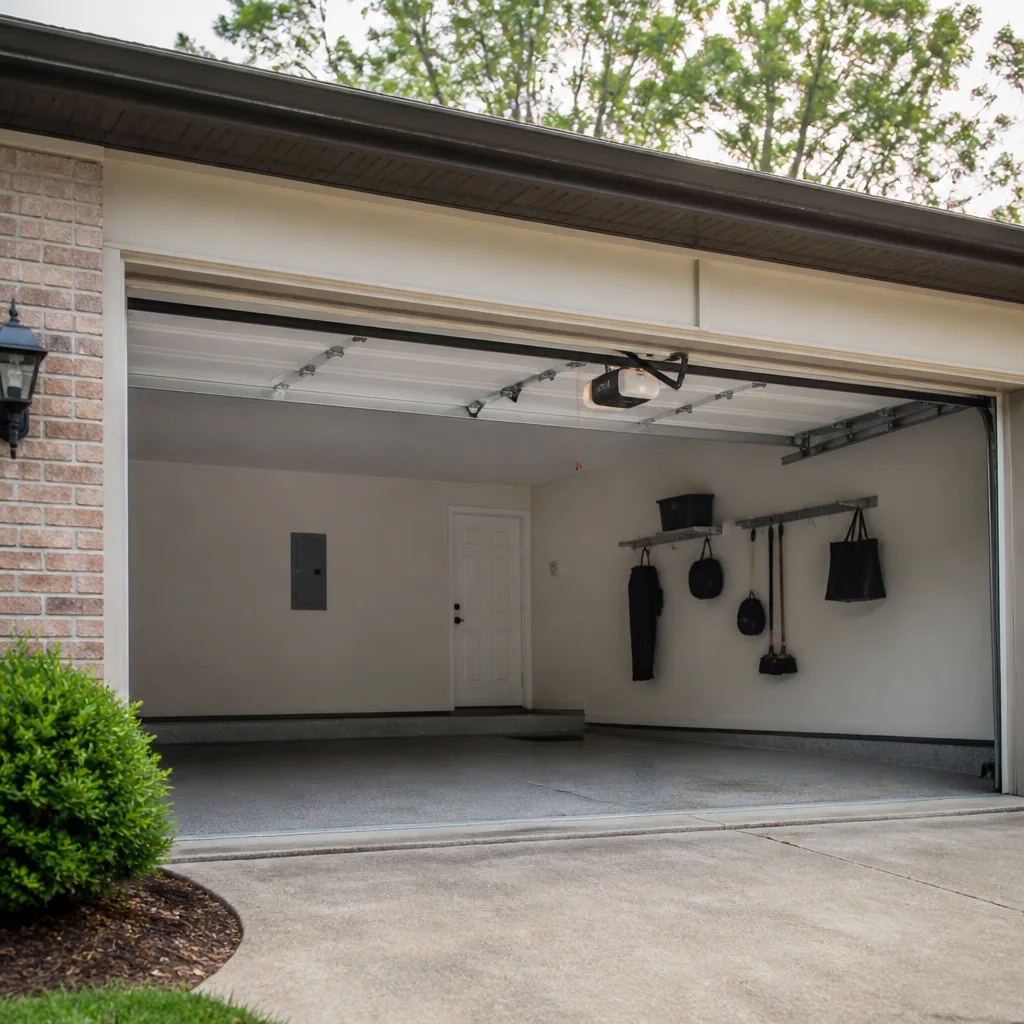 Chamberlain openers
Full 25-point door and opener safety check with every visit - springs, cables, rollers, tracks, and your LiftMaster or Chamberlain opener included
You get a price before we start. It does not change when the pro arrives.
Get your free estimateSeasonal Garage Door Care for Maplewood: Year-Round Homeowner’s Guide
Most seasonal maintenance advice treats the year as four identical boxes with the same checklist dropped into each one. That approach misses the point. A garage door in Maplewood faces four genuinely different mechanical stresses between January and December, and the task that protects your door in October does almost nothing for it in April. The spring that fails in February was usually weakened by a November you didn’t prepare for. The panel that cracks in July was set up by a winter of frozen seals pulling at the bottom section. This guide separates the year into four distinct mechanical phases, assigns each task to the season that actually causes the problem, and shows you how to time reminders to Maplewood’s real freeze dates instead of generic calendar quarters.
Quick Answer
Seasonal garage door care in Maplewood works best when you match tasks to what each season does to the hardware: fall is for pre-freeze preparation (seals, lubrication, spring assessment), winter is for protecting the door from ice and frozen thresholds, spring is for inspecting for frost heave and re-aligning what winter shifted, and summer is for managing humidity’s effect on wood doors, paint seals, and opener sensitivity. Time your reminders to the average first-freeze and last-freeze dates, not to the first of the month.
Styles & brands we work with
- Raised-panel steel
- Carriage house
- Modern flush
- Full-view glass
- LiftMaster openers
- Chamberlain openers
Table of Contents
- Why Season Matters More Than Any Single Checklist
- Fall: The Pre-Freeze Protocol That Sets Up Your Whole Winter
- Winter: Frozen Thresholds, Brittle Springs, and What Not to Do
- Spring Thaw: Frost Heave, Foundation Anchors, and Track Re-Alignment
- Summer: Humidity, Wood Swelling, Paint Seals, and Opener Sensitivity
- How to Set a Maintenance Calendar Tied to Maplewood’s Freeze Dates
- Brand-Specific Notes: What We See on LiftMaster, Chamberlain, Raynor, and Craftsman
- Common Mistakes to Avoid
- When to Call a Professional
- Frequently Asked Questions
Why Season Matters More Than Any Single Checklist
A garage door is a mechanical system with dozens of moving and stressed parts, and each part reacts differently to temperature, humidity, and ground movement. A spring that’s rated for a certain number of cycles doesn’t know what month it is, but the metal it’s made of behaves differently at 10°F than it does at 85°F. A wood panel expands and contracts with moisture. A steel track shifts when the ground under it heaves. A rubber seal goes from pliable to brittle in a matter of weeks.
In Maplewood, the swing between summer humidity and winter cold is wide enough that the door experiences genuinely different conditions across the year. That means the maintenance tasks that protect your door are different too, and timing matters as much as the task itself.
Here’s the reframe: think of garage door care as four distinct phases, each addressing a different failure mechanism.
- Fall – preparation. You’re setting the door up to survive cold, ice, and cycle stress before those stresses arrive.
- Winter – protection and restraint. You’re preventing ice damage and avoiding the homeowner moves that bend panels.
- Spring thaw – inspection and correction. You’re finding what winter shifted and fixing it before it becomes a track failure.
- Summer – adjustment and monitoring. You’re managing humidity’s effect on wood, paint, and opener settings.
This is the framework we use when we assess a Maplewood door. If you do the fall work, winter gets easier. If you do the spring inspection, you catch frost heave before it turns into a repair. If you do the summer adjustments, the door opens smoothly through the hottest stretch. Each season’s work pays off in the next one. If you need a repair between these seasons, our garage door repair service handles the fix and we can advise on the seasonal issue that caused it.
Fall: The Pre-Freeze Protocol That Sets Up Your Whole Winter
October is the single highest-stakes maintenance month for a Maplewood garage door. Miss it and you’re setting yourself up for a frozen seal, a cracked panel, or a brittle spring failure sometime between January and March. The work you do before the first freeze is what carries the door through the cold season.
The pre-freeze protocol has three main parts: threshold seal inspection, lubricant swap, and spring tension assessment.
1. Threshold seal inspection
The bottom seal (sometimes called the weather seal or astragal) is the rubber strip along the bottom of the door. It’s the barrier between the outside air and your garage interior. Once it goes brittle or cracks, cold air pours in, ice builds at the threshold, and the door can freeze to the floor. Inspect it for:
- Cracks, gaps, or chunks missing from the rubber
- Flattened or compressed spots (a sign it’s no longer sealing)
- Hardness – it should feel pliable, not rigid
- Gaps at the corners where the seal meets the jamb
If the seal is brittle, replace it before the cold sets in. This is one of the highest-value pre-winter tasks and one of the most commonly skipped.
2. Lubricant swap for cold weather
This is where a lot of generic advice misses. Summer is a good time for general lubrication, but as temperatures drop, the lubricant you use matters more. A heavy grease can thicken in cold weather, increasing strain on the opener and the springs. For pre-winter work, use a light, cold-weather-appropriate lubricant on hinges, rollers, and the torsion spring (never grease on the spring coils themselves; a light spray is what you want).
3. Spring tension assessment before cold cycle stress
Springs are the most dangerous part of the system, and this is a safety call. A torsion spring that’s been slowly losing tension all year is more likely to fail once the cold sets in and puts extra cycle stress on it. We can’t give you a do-it-yourself method for assessing spring tension – that’s a task for a trained technician because a loaded torsion spring stores enough energy to cause serious injury. What you can do in fall is visually inspect for visible gaps in the coils, listen for a door that seems to struggle or lift unevenly, and note any change in how the opener sounds. If anything looks off, get it evaluated. Spring repair done right in October beats a spring failure in February, and our garage door repair specialists handle this kind of service as a focused part of the work.
The fall protocol is the anchor of the whole year. Get it done before the first freeze and the rest of the seasons become easier.
Winter: Frozen Thresholds, Brittle Springs, and What Not to Do
Winter is when the failure modes are the most dramatic and the most avoidable. Two of the most common homeowner mistakes happen when a door freezes to the floor or a panel gets bent by a well-meaning attempt to force it open.
When the door freezes to the floor
It happens after a freeze-thaw cycle: meltwater runs under the bottom seal, then refreezes overnight, bonding the door to the threshold. In the morning you pull the opener and the door doesn’t move. What you should do:
- Stop pulling the opener. Repeated attempts to force a frozen door are how openers burn out and how panels get lifted unevenly.
- Look for the ice. Most frozen thresholds show it – a white crust under the bottom seal or water visible at the edges.
- Melt it gently rather than forcing it. A heat source directed at the threshold is the right move; a crowbar or a heavy tug is not.
- After the door is free, dry the threshold and check the bottom seal for damage from the ice.
The two homeowner moves that bend a bottom panel
Both are force-based:
- Forcing a frozen door up with a pry bar or by pulling hard on the bottom section. The bottom panel is the weakest section and the most likely to bend. It also holds the seal and carries the sensors. Bending it means a replacement panel or, in some cases, a full door replacement.
- Repeated opener activation against a stuck door. This doesn’t bend the panel directly, but it can strip gears in the opener and put stress on the springs. If the opener is trying to open a door that won’t move, cut the power and resolve the ice first.
Brittle spring behavior in cold weather
Spring steel is more brittle at cold temperatures. Combined with winter’s extra cycle stress (a door that opens and closes in the cold has different loads than a door in warm weather), the springs carry a higher failure risk in January and February than at any other time. That’s why the fall assessment matters so much. If you hear a loud snap from the garage in winter, or the door goes up with no resistance and won’t stay up, stop using the door and get it checked. A broken spring is a job for a trained technician – do not attempt to remove or adjust a loaded torsion spring yourself.
Keeping ice out of the tracks
Ice in the tracks is a common winter problem. Keep them clear and dry where you can, and avoid the temptation to chip ice out with a metal tool that can gouge the track. A plastic scraper or warm water is safer.
Spring Thaw: Frost Heave, Foundation Anchors, and Track Re-Alignment
Spring is when the ground under your garage door moves, and that movement shows up as track problems. This is the season that most generic “seasonal maintenance” lists miss entirely, and it’s the one where catching an issue early saves the most money.
What frost heave does
In cold climates, the soil under a driveway or garage slab can freeze in winter and heave upward as it thaws in spring. The garage door’s vertical tracks are anchored to the wall or floor at specific points, and the horizontal tracks are anchored to the ceiling and the wall. When the ground or the framing shifts even slightly, those anchor points move out of alignment, and the door track goes out of plumb. A track out of alignment produces uneven door travel, premature roller wear, and eventually a door that binds in the tracks or comes off them.
The warning signs:
- The door doesn’t travel smoothly – it jerks, hesitates, or pulls to one side
- Visible gaps between the track and the wall or floor anchor point
- The door contacts the track on one side
- Rollers wearing unevenly (one side shows more wear than the other)
What re-alignment looks like
Re-alignment isn’t a matter of tightening bolts. The track has to be re-plumbed, the anchors re-seated, and the door re-balanced so it travels evenly. This is a trained-technician task, not because it’s the most dangerous part of the system, but because a door that runs on misaligned tracks wears faster and fails sooner. Spring is the season to address it, because the shift has already happened and the door will run better for the rest of the year once it’s corrected.
Why this guides the rest of the year
The spring inspection is the correction phase. It’s when you find what winter shifted and fix it. If you skip it, the misalignment carries into summer, where heat expansion and humidity add their own stresses, and the wear accelerates. Correcting the track before the hot season means the door runs clean through the smoothest stretch of the year.
We see this every spring in Maplewood – doors that were running fine in November and won’t track straight in April. It’s not a failure of the door; it’s the ground doing what it does. If you’ve noticed a change in how your door runs once the thaw comes, that’s the time to address it. If you’re considering replacing a door that’s been a persistent problem, our garage door installation service covers the full assessment.
Summer: Humidity, Wood Swelling, Paint Seals, and Opener Sensitivity
Summer looks like the low-stress season from a garage door’s perspective, and it is for most parts. But two things happen in summer that need active attention: wood doors swell, and opener sensitivity settings drift.
Wood swelling
If your door is a wood or wood-composite door, summer humidity causes the panels and rails to swell. Swelling changes the door’s dimensions subtly and can cause:
- Sticking at the edges where the door meets the jamb
- Section gaps shifting (the horizontal lines between panels)
- Paint and finish stress as the surface expands
- Section push-out on lower-quality wood doors
Wood doors should be checked in early summer and, if they’re showing signs of swelling, given time to stabilize before any adjustments. Forcing a swollen door closed damages the panels and the finish.
Paint seals
Paint or sealant on wood and steel doors is the barrier against moisture. In summer, when expansion and contraction are at their highest, a failing seal at the panel edges or the frame can let moisture in. Inspect for peeling, cracking, or flaking, especially at the bottom edge of the door where water collects. Re-sealing in early summer is better than waiting until fall, because the summer heat and humidity are the conditions that do the damage.
Opener sensitivity settings: specific adjustment procedure
This is the one summer task most homeowners can do directly. As the door swells, warps slightly, or the track drifts out from spring heave, the opener’s travel and force limits drift with it. When they drift, the door starts reversing early or stops before it’s fully closed – and in the worst case, the safety-reverse feature doesn’t trigger correctly. Here’s the general procedure for most openers:
- Locate the sensitivity or force adjustment on your opener (on standard openers it’s on the back or underside; on models sold as LiftMaster or Chamberlain it’s typically two dials or a small set of adjustment screws).
- Test the door’s travel. Open and close it, and watch where it reverses or hesitates.
- Adjust the force or travel limits incrementally. Small changes – no more than a quarter turn at a time – then test.
- Test the safety reverse. Place an object under the door, close it, and see whether the door reverses. If it doesn’t, the sensitivity is too low.
If you’re not comfortable adjusting opener settings, or if the door has been exhibiting other symptoms, our garage door opener repair service can set it correctly and check whether the drift is a symptom of a larger alignment issue. On Craftsman and Raynor openers (two brands many Maplewood homes use), the sensitivity settings are in different places, and misadjusting them is a common cause of “the door won’t close all the way” calls in summer.
How to Set a Maintenance Calendar Tied to Maplewood’s Freeze Dates
The main reason seasonal maintenance gets skipped is that generic calendar quarters don’t line up with the weather. If you set a reminder for “October 1: fall maintenance” and the first freeze lands in October, you’ve scheduled the work for exactly the wrong week. The fix is to tie reminders to Maplewood’s freeze dates rather than the first of the month.
The four seasonal anchor points
- About 3-4 weeks before the first freeze. This is when the fall protocol should be done: seal inspection, lubricant swap, spring assessment. The point is for the work to be complete before the first hard freeze, not after.
- After the last freeze of spring. This is when the spring inspection happens: track and anchor alignment check, plus a look at what winter did.
- Mid-summer. This is for the humidity adjustments: wood swelling check, paint and seal inspection, opener sensitivity check.
- Every 2-3 months, regardless of season. A general listen-and-look: does the door sound different, does it hesitate, do the rollers show wear. The seasonal work is more thorough, but regular checks catch changes early.
How to find Maplewood’s freeze dates
Rather than guessing, use the typical first-freeze and last-freeze dates for the Maplewood area, and set your reminders a few weeks ahead of each. The local weather service or a seasonal outlook from a regional forecast source will give you the dates for your specific year. The principle is: schedule the work so it’s done before the condition arrives, not after.
Why calendar quarters fail
April 1, July 1, October 1, and January 1 don’t correspond to when the pressure shifts in Maplewood’s climate. Fall’s pre-freeze window might be in late October or early November; setting the fall task for October 1 gets you ready early, but if you live in a part of the area where the first freeze comes later, you might do the work too early and lose the benefit. The freeze-date approach keeps you aligned with what the garage door is actually experiencing.
Brand-Specific Notes: What We See on LiftMaster, Chamberlain, Raynor, and Craftsman
A seasonal guide is more useful when it accounts for the equipment you actually have. We work on Craftsman, Raynor, LiftMaster, and Chamberlain systems regularly, and the seasonal behaviors differ by brand and by the type of door.
- LiftMaster and Chamberlain openers tend to have well-documented force and travel-limit adjustments and are straightforward to check each summer. If the door reverses early or won’t fully close, the adjustment is usually the first thing to inspect.
- Craftsman openers are common in Maplewood homes, and their sensitivity settings can drift more noticeably in season changes. If you notice the door behaving differently in late fall or early spring, a sensitivity check is worth doing.
- Raynor doors show up in a lot of heavier panel doors, and those need a bit more attention at the spring assessment because the extra weight is more demanding on the torsion springs and the tracks.
- Steel versus wood doors follow different seasonal tasks: wood doors need the summer humidity and paint checks, and steel doors need the spring inspection to catch track shift and worn rollers.
If your system is a brand we work on, seasonal care is straightforward to plan – we know the adjustments and the failure points for the brand. If you want a specialist who already works on your specific brand, that’s what our Maplewood Garage Door Repair Pros system is set up for. Our technicians have up to 9 years of experience with these systems.
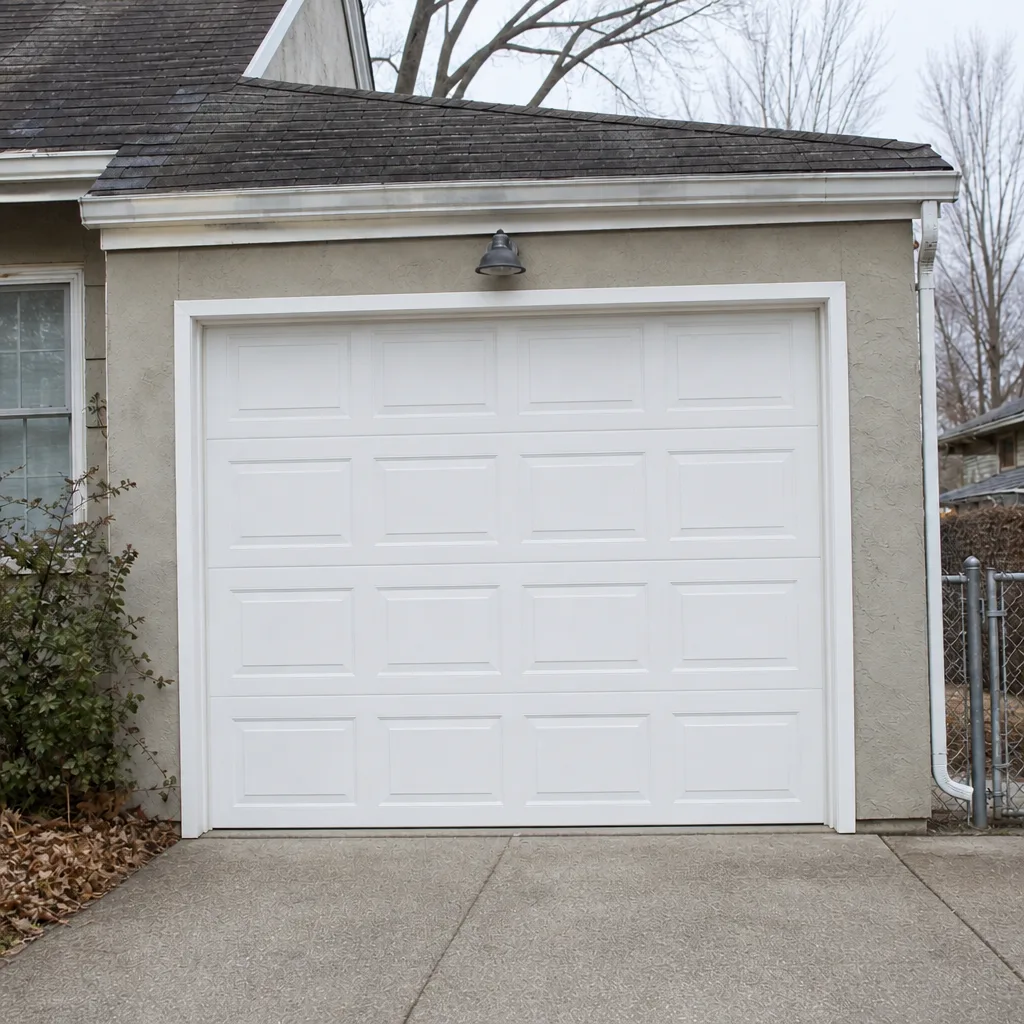
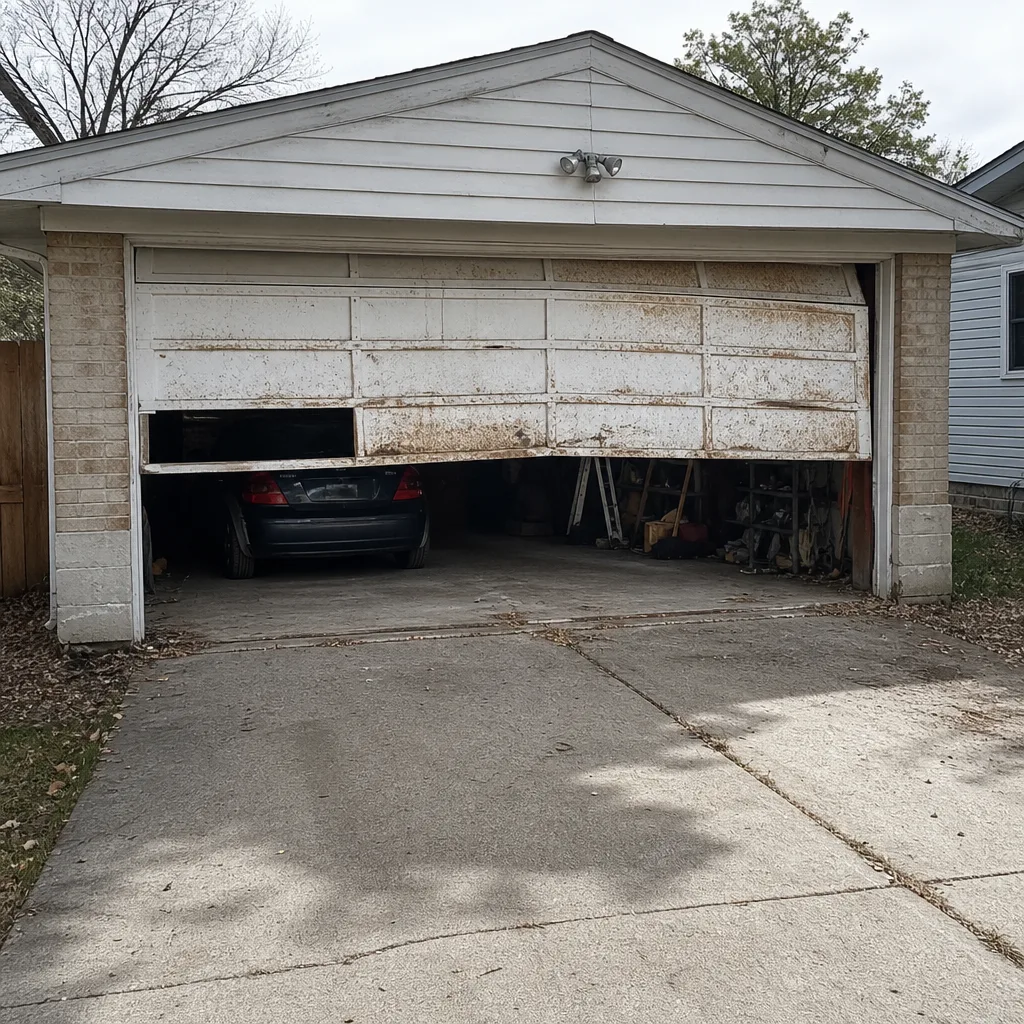
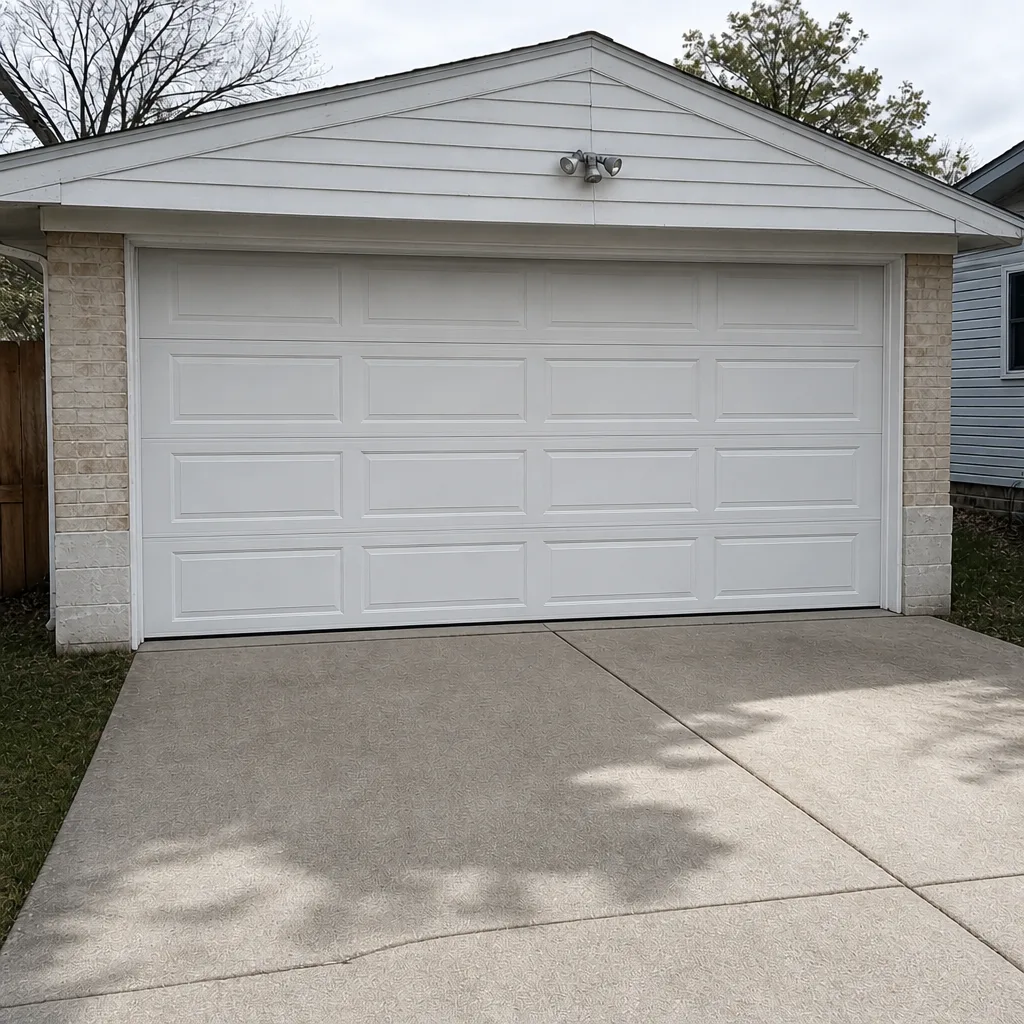
See the difference
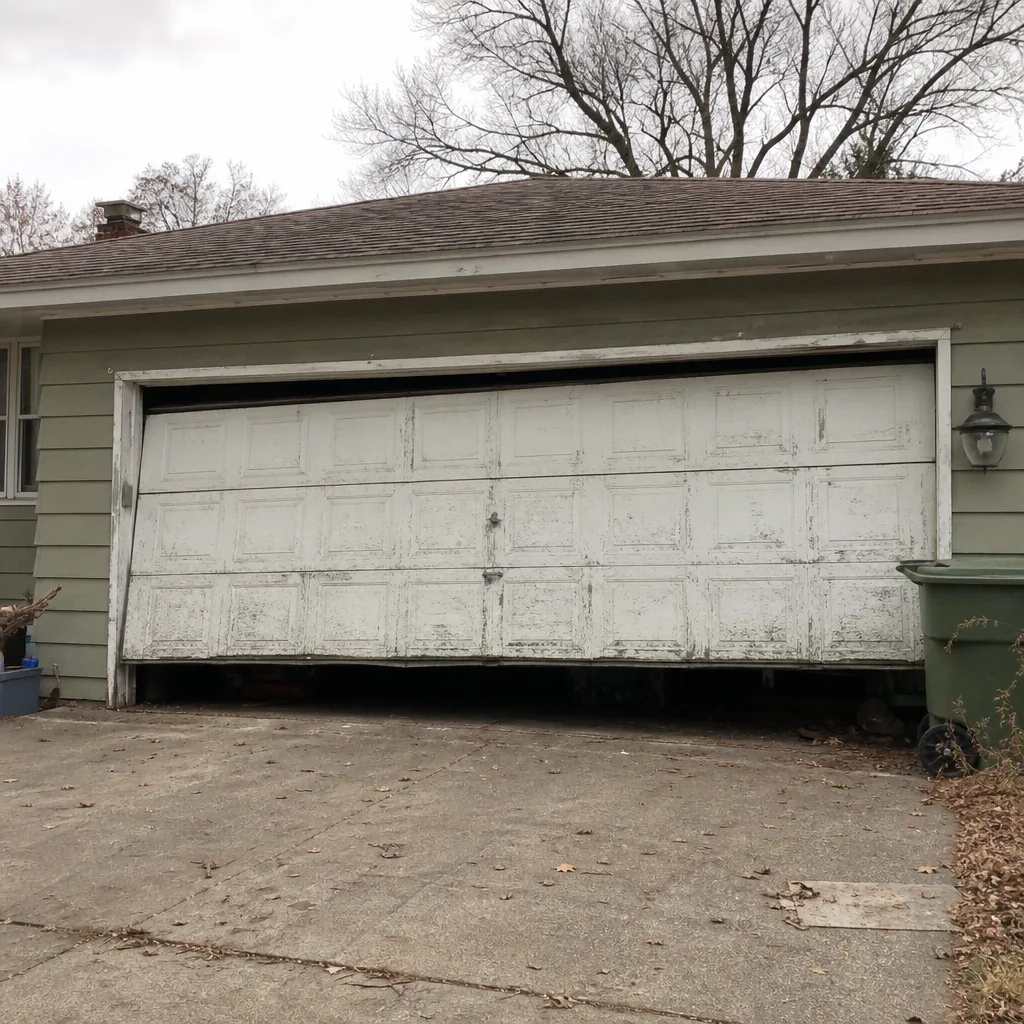 Before
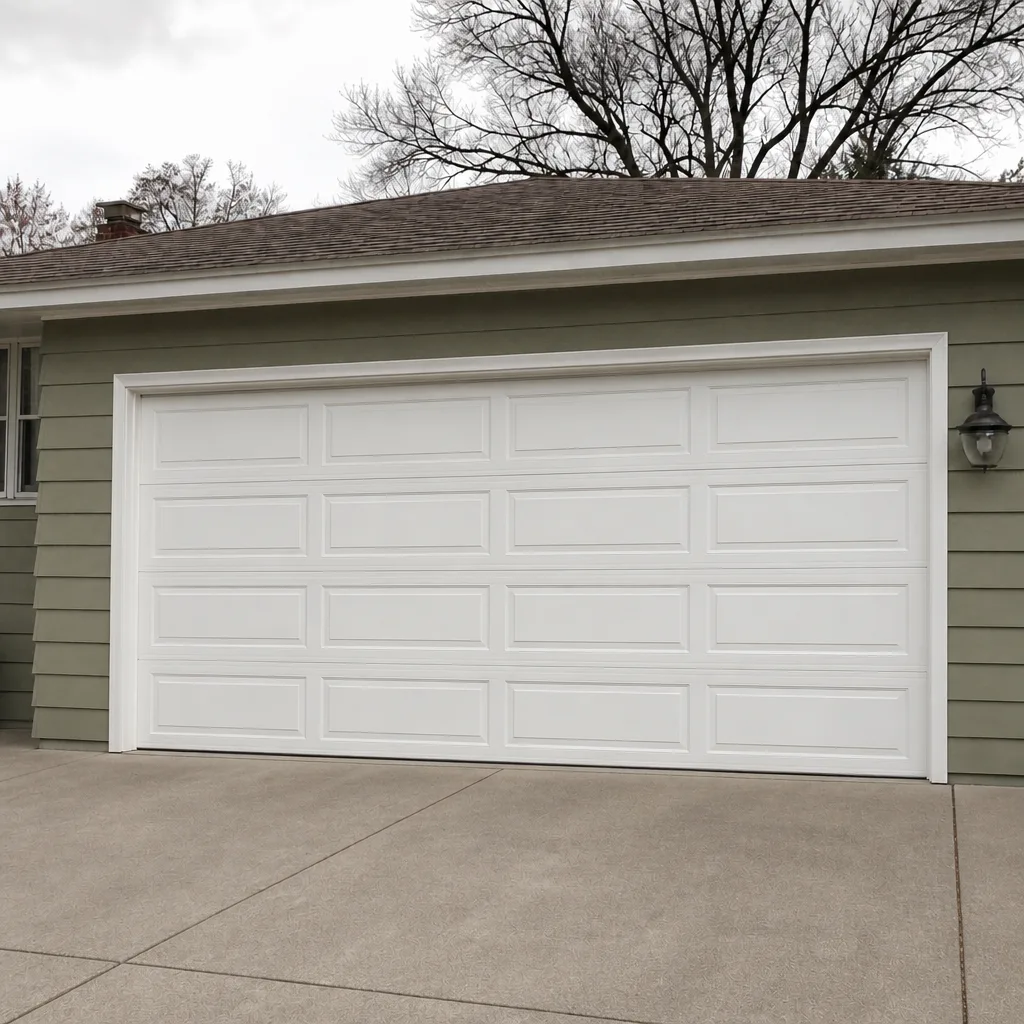 After
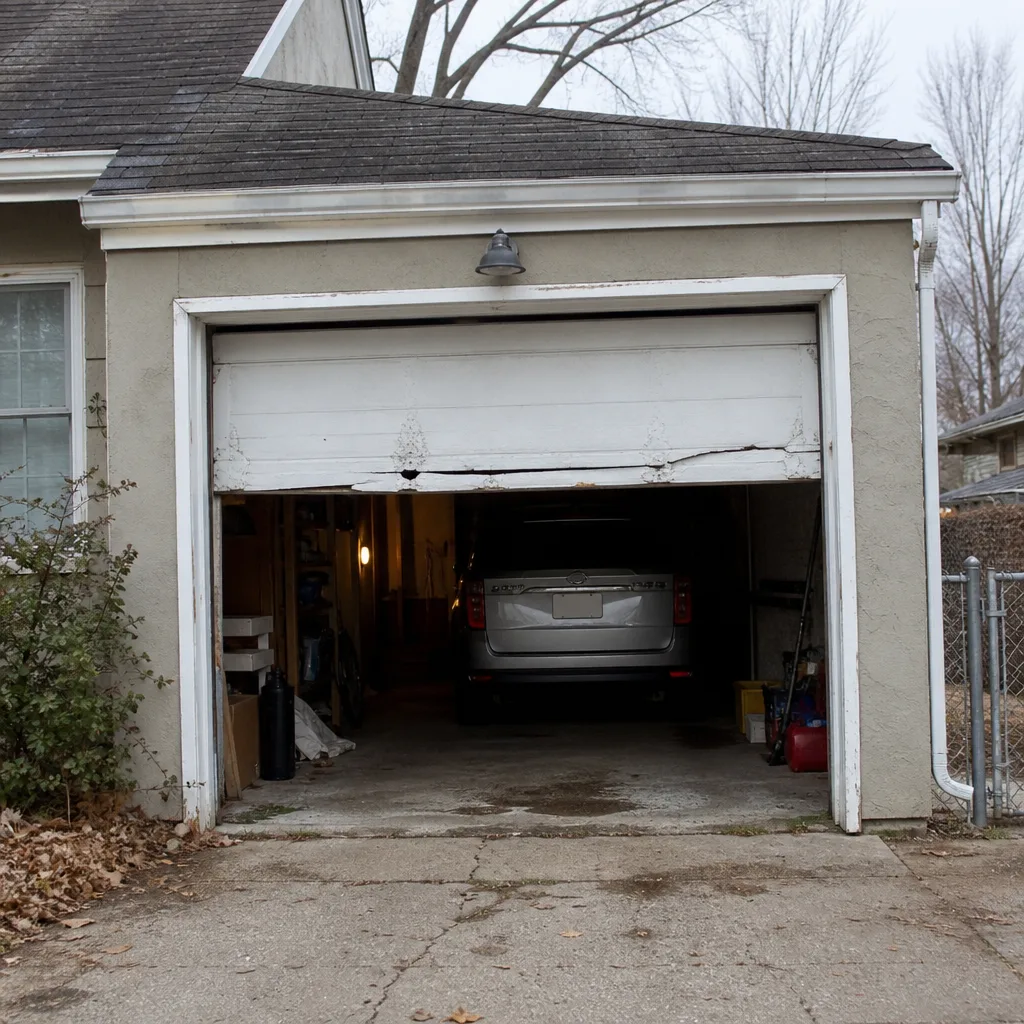 Before
 After
 Before
 After
Common Mistakes to Avoid
- Doing the same tasks in every season. The biggest and most common mistake. Fall’s lubricant swap is beneficial in October and largely wasted in April. Summer’s humidity checks do nothing for a frozen-threshold problem. Assign each task to the season that creates the issue.
- Waiting for a failure to schedule maintenance. A door that’s been running fine for a year can be one frozen threshold away from a bent panel or a broken spring. The fall protocol is specifically designed to catch what’s about to fail.
- Forcing a frozen door. This is the most expensive mistake on the list, and it’s the one worth internalizing. Both the pry-bar approach and the repeated-opener approach can damage a bottom panel or the opener gears.
- Skipping the spring inspection because the door “seems fine.” Spring wear is gradual, and the failure is sudden. The fall assessment is the cheapest way to catch it before it’s a problem.
- Ignoring the door’s sound and feel. A door that’s slightly louder or pulls unevenly in the first cold snap is giving you information. Those signals are often the only warning before a bigger problem.
- Using the wrong lubricant in cold weather. A grease that’s fine in July can thicken in January and increase strain on the opener. The fall lubricant swap is specifically about cold-weather performance.
- Adjusting opener sensitivity without understanding the safety reverse. Sensitivity is a safety feature, and setting it wrong can defeat the reversing mechanism that prevents injury. If you’re not confident, let a technician set it.
When to Call a Professional
Call a professional for any task involving the springs, the tracks, or the opener’s safety settings. Spring work is a safety-critical task, and a loaded torsion spring can cause serious injury if handled incorrectly. Track and anchor adjustments need a trained eye to catch alignment problems before they become wear problems. Opener sensitivity settings are a safety feature, and setting them wrong defeats the mechanism that stops the door on contact.
Call us when:
- You’ve heard a snap from the garage and the door won’t stay up
- The door no longer travels evenly, or pulls to one side
- A winter freeze caused visible panel damage
- The spring inspection raised any concern
- Your door is a brand you’re not sure how to adjust
Maplewood Garage Door Repair Pros offers free estimates in Maplewood – call (855) 550-7783 and we’ll advise on what the season calls for.
Frequently Asked Questions
Fall maintenance should be done about three to four weeks before the first freeze, so the door is prepared before the cold arrives. The key tasks are the bottom seal inspection, a cold-weather lubricant swap, and a spring assessment. If you do it too early, the door may not be ready when the freeze lands.
Yes, within limits. The sensitivity and force adjustments are the one summer task most homeowners can do directly, following the opener’s instructions and testing the safety reverse afterward. If you’re not comfortable, or if the door has other symptoms, a technician can set it correctly. For Craftsman and LiftMaster models, the adjustment points are usually accessible and documented.
Most winter sticking comes from a frozen threshold or a brittle bottom seal. When the seal hardens or the door freezes to the floor, forcing it open with a pry bar or through repeated opener activation can bend a bottom panel. The right approach is to melt the ice, dry the threshold, and check the seal for damage.
Frost heave is the upward movement of soil when it freezes and thaws. It can shift the anchor points that secure the vertical tracks, which knocks the door out of alignment. In spring, watch for a door that travels unevenly, visible track gaps, or uneven roller wear – those are signs the tracks need re-alignment. Our garage door repair technicians handle re-alignment as a standard service.
Do the four seasonal phases (fall, winter, spring, summer) each year, and add a quick general check every two to three months. The seasonal work is the thorough part; the regular checks catch changes between seasons. Tying reminders to the freeze dates keeps the schedule aligned with what the door is experiencing.
The written estimate sets the price – it’s quoted and agreed before any work starts. That’s the whole point of a free estimate. If the technician finds additional work that wasn’t anticipated, you’ll know about it before it’s done. Call (855) 550-7783 for an exact quote.
The Bottom Line
Seasonal garage door care isn’t four identical checklists. It’s four distinct phases, each addressing a different mechanical stress. Fall is for preparation – seal inspection, cold-weather lubrication, and spring assessment. Winter is for protection – keeping ice out of the tracks and avoiding the two force-based moves that bend bottom panels. Spring is for correction – finding the track misalignment that frost heave caused and re-aligning before it becomes a failure. Summer is for adjustment – wood swelling, paint seals, and opener sensitivity. Tie your reminders to Maplewood’s freeze dates rather than calendar quarters, and add a quick check every few months. That’s the schedule that keeps a garage door running smoothly through a Maplewood year.
If you’re in Maplewood and the season calls for professional work – spring assessment, track realignment, or an emergency call, our garage door opener repair and garage door installation teams are here. Call (855) 550-7783 for a free estimate. Our technicians have up to 9 years of experience with LiftMaster, Chamberlain, Genie, Clopay, Amarr, Wayne Dalton, Craftsman, and Raynor systems, so when your door needs work, we already know the equipment.
Contact
Ready to get your Maplewood garage door ready for the season? Call (855) 550-7783 for a free estimate. We’ll assess your door, tell you what the season actually calls for, and quote the work before it starts.
Written by the team at Maplewood Garage Door Repair Pros.