Last updated November 23, 2026
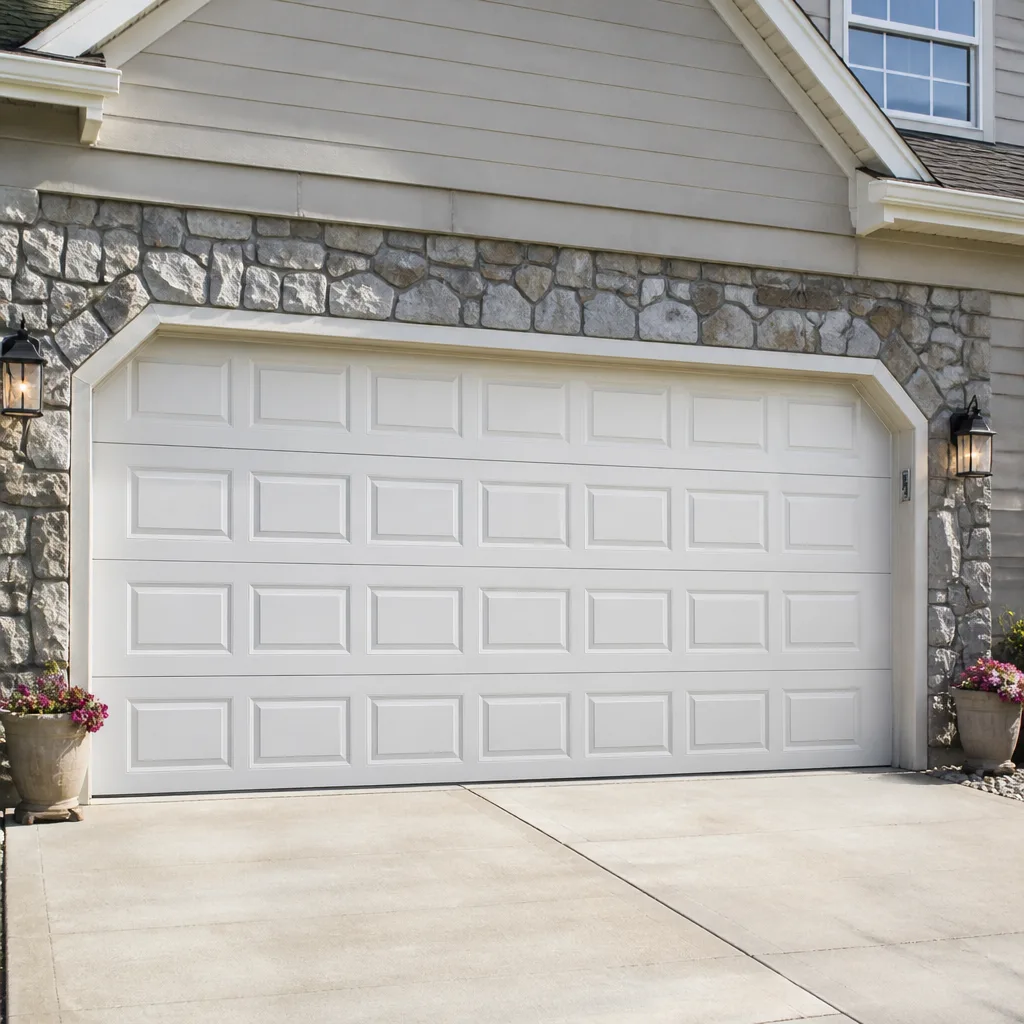 Raised-panel steel
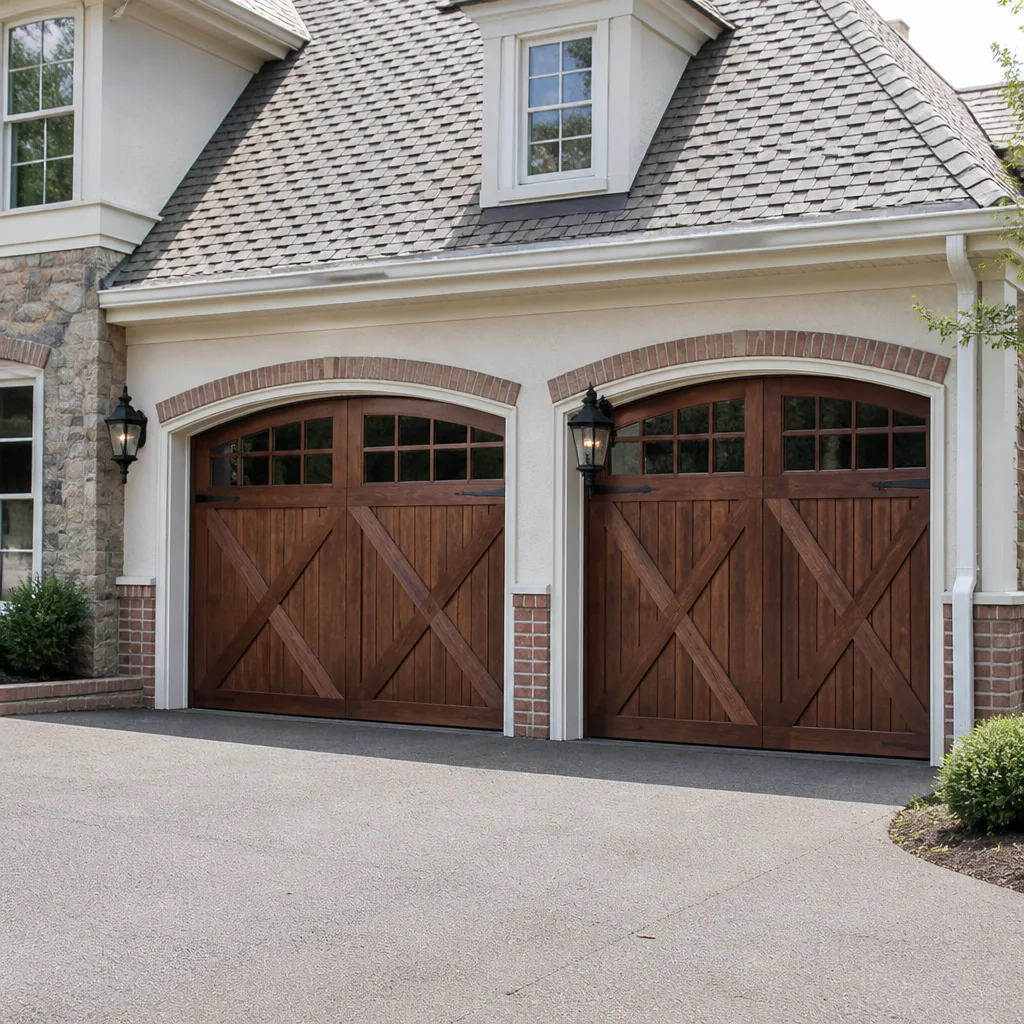 Carriage house
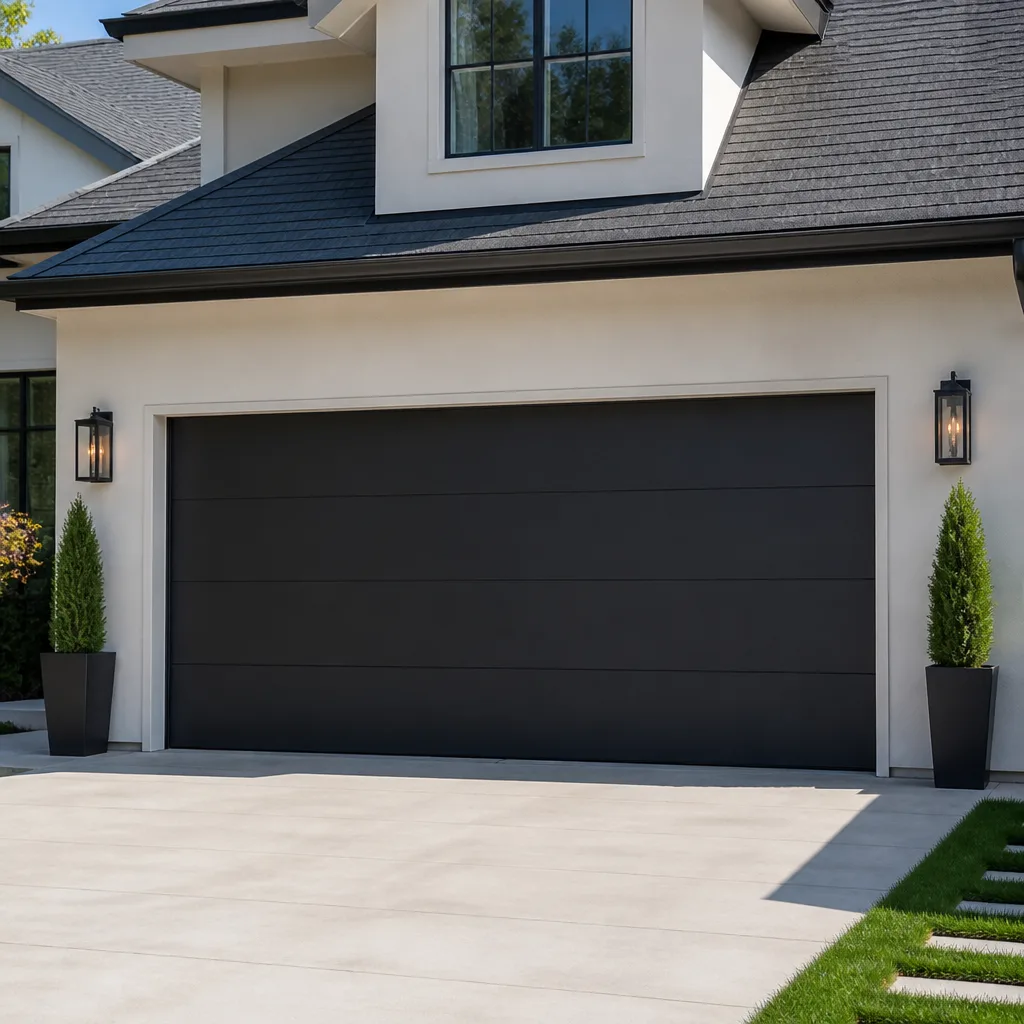 Modern flush
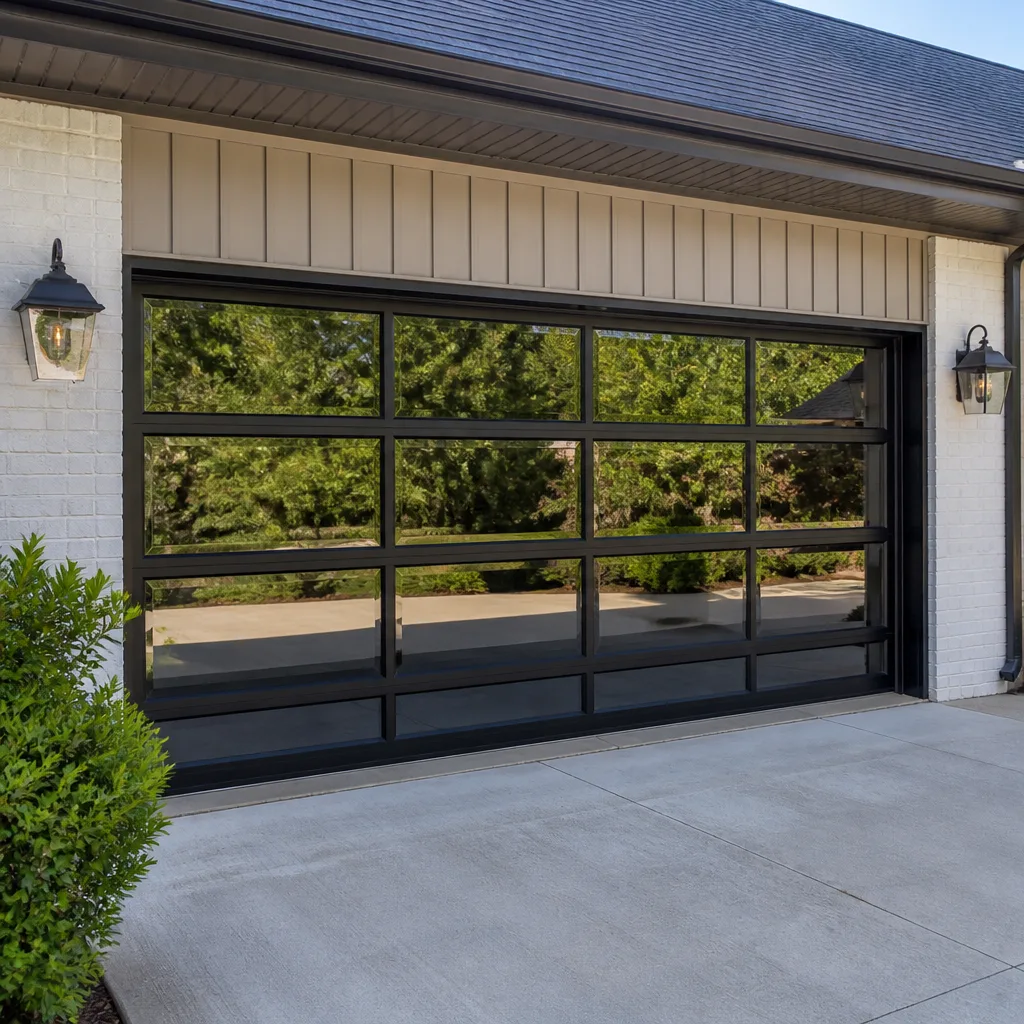 Full-view glass
 LiftMaster openers
 Chamberlain openers
Full 25-point door and opener safety check with every visit - springs, cables, rollers, tracks, and your LiftMaster or Chamberlain opener included
You get a price before we start. It does not change when the pro arrives.
Get your free estimateGarage Door Repair Maintenance Checklist for Maplewood Homeowners
Most garage door failures don’t announce themselves. They whisper first. A faint rattle that wasn’t there last month. A door that closes a little harder than it used to. A bottom seal that lets a thin seam of light through. And when the door finally quits on a cold Maplewood morning with the car trapped inside, the owner almost always says the same thing: “It was working fine yesterday.” It usually wasn’t. It was working badly but still moving, and nobody had a way to tell the difference.
That’s what this checklist is for. Not a vague “inspect your springs” list you’ll forget by February, but a practical guide to the failure signatures we actually see on service calls in Maplewood: what a tired spring sounds and looks like before it snaps, how to test your door’s balance and safety reverse in about ten minutes, and which fixes are a can of the right lubricant versus a job you shouldn’t touch. We’ll cover the whole lifecycle, from a snapped spring to a full replacement door, so you know when to grab a rag and when to pick up the phone.
Quick Answer
A good garage door maintenance routine for a Maplewood home is a ten-minute monthly check, a deeper seasonal service at each of the four seasonal transitions, and one professional inspection whenever you notice a new sound, a door that won’t balance, or a fraying cable. The point of the checklist is to catch the small, cheap fix before it becomes the emergency repair, and to know the difference between the two.
Styles & brands we work with
- Raised-panel steel
- Carriage house
- Modern flush
- Full-view glass
- LiftMaster openers
- Chamberlain openers
Table of Contents
- The Failure Signatures That Matter
- Springs: Nearing End-of-Life Versus Already Failed
- The Ten-Minute Balance, Force, and Safety Test
- Lubrication in Minnesota: Why the Wrong Product Backfires in Winter
- Weatherstripping Before the First Hard Freeze
- The Maplewood Seasonal Cadence
- Opener Maintenance and Brand-Specific Notes
- Common Mistakes to Avoid
- When to Call a Professional
The Failure Signatures That Matter
Every worn garage door part fails in a predictable way, and that predictability is your advantage. If you know what a failing component looks, sounds, and feels like, you can tell the difference between normal wear and a part that’s about to let go. This is the core idea behind the whole checklist: don’t just look at parts, learn their signatures.
Here’s what to actually watch and listen for:
- Sound: A healthy door is a low, steady hum with a soft rattle at the panels. New squealing, grinding, or a rhythmic thumping once per rotation usually points to a dry roller, a worn bearing plate, or a bent track. A sharp metallic snap followed by silence is almost always a broken spring.
- Feel: Lifting the door by hand (with the opener disconnected) should feel like a smooth, evenly weighted rise. If the door feels heavy at the top or slams down, the balance is off.
- Sight: Look at the tracks for kinks, at the panels for cracks, at the bottom seal for gaps, and at the springs for a visible gap or a dangling hook.
- Behavior: If the door reverses before it reaches the floor, or stops halfway on the way up, the travel force or the safety sensors need attention.
In Maplewood’s older neighborhoods, many homes have doors that have been through decades of Minnesota freeze-thaw cycles without a single service. The hardware is often fine, but the lubrication is gone and the seals are shot. If your door is Genie or Clopay in particular, the components are known quantities and the signature is easy to read once you know it. If you’re unsure, our garage door repair team can walk the whole system with you and tell you what’s normal and what’s on its way out.
Springs: Nearing End-of-Life Versus Already Failed
This is the single most important distinction in the whole guide, and it’s the one homeowners get wrong most often. A spring that’s approaching the end of its life and a spring that has already failed require completely different responses. One is a scheduled service; the other is a safety situation.
A spring that’s nearing end-of-life still holds the door but is losing its lift. You’ll notice the door getting heavier to lift by hand, the opener laboring more, and the door drifting down a few inches when you let it go halfway up. The spring may look slightly stretched or have small gaps between its coils. This is a warning window: you can schedule the replacement, plan the cost, and avoid the 6 a.m. locked-in emergency.
A spring that has already failed has one unmistakable signature: a clear gap of several inches in the coil (for a torsion spring), or a dangling, unhooked stretch spring. The door will feel heavy as a truck and may not rise at all. The opener will strain and stop. This is not a repair to attempt on your own. High-tension springs store enormous energy, and the correct response is to leave the door down and call a trained technician.
Why does the distinction change what you do next? Because end-of-life is a maintenance decision and a failed spring is an emergency. Both need a professional, but one is a booked job and the other is a call. If you’re seeing a gap in your spring right now, don’t run the opener and don’t try to move the door by hand. Pull the manual release only if you’ve had someone confirm it’s safe, and call us. Our Maplewood Garage Door Repair Pros handle spring repair as a dedicated specialty, and we can usually give you a clear answer on the phone before we arrive.
One more note for Maplewood: the cold matters. A spring that’s at 90 percent of its life in October may be at 60 percent by the first real cold snap, because cold steel is less forgiving. The seasonal check in this guide is built partly to catch that transition before winter.
The Ten-Minute Balance, Force, and Safety Test
You can test the three most important safety items on your door in about ten minutes with nothing but a 2×4 and your own hands. Do this once a month. Here’s the step-by-step.
- Disconnect the opener. Pull the manual release cord so the door moves freely by hand. Make sure no one is under the door.
- Lift the door to about halfway. Let it go. A balanced door stays put. A door that drifts up or slams down is out of balance and needs a technician.
- Test the travel force. Close the door and open it a few times, listening and feeling for strain. If the opener grinds, pauses, or reverses on its own, stop and call for service.
- Set up the 2×4 test. Place a 2×4 flat on the ground under the open door, then close the door.
- Confirm the auto-reverse. The door should reverse on contact with the 2×4 and go back up. If it doesn’t, the safety reverse is failing and needs adjustment or repair before you use the door again.
- Check the photo-eye sensors. Wave a hand or a dark object across the beam while the door closes. The door should stop and reverse. If it doesn’t, the alignment or the sensor itself needs attention.
Step 5 is the one that matters most, and it’s the one people skip. A door that won’t auto-reverse is a genuine safety concern, not just an inconvenience. If it fails, stop using the door until it’s fixed. This test works on any brand of opener, from a LiftMaster to a Genie to a Chamberlain, because the standard is the same. If you want the full checklist run for you, our garage door opener repair specialists can do it in one visit and show you what each test is looking for.
Lubrication in Minnesota: Why the Wrong Product Backfires in Winter
Here’s the part of the checklist that surprises people: the wrong lubricant is worse than no lubricant when the temperature drops below freezing. WD-40, the multi-use spray most people reach for, is a solvent and a light oil, not a true lubricant for moving garage door hardware. In a Minnesota winter, the wrong product collects grit, thickens in the cold, and can leave a gummy film that actually slows the door and accelerates roller wear.
What works in a Maplewood winter is a garage door or lithium grease, applied sparingly to the right points. Here’s where it goes and where it doesn’t:
- Lubricate: the hinges at each pivot point, the rollers (a light application at the bearing, not the track), the torsion spring coils (a thin coat), the bearing plates, and the opener’s chain or rail as the manufacturer recommends.
- Don’t lubricate: the track itself. The track should stay clean and dry. Grease on the track traps dust and grit and makes the rollers slide instead of roll.
- Check first: if the door already sounds dry or squeaks, a quick application at the pivots often quiets it. If the sound continues, the part may be worn, not just dry.
In practice, we recommend a quick lubrication pass at the start of the heating season so the hardware is ready for the deep cold, and again in spring to clear out winter grit. If your opener is a Genie or a LiftMaster, follow the manufacturer’s recommendation for the chain or belt, since those systems have their own specs. If you’re not sure which product your door needs, ask us when we’re out for a garage door repair visit and we’ll tell you exactly what to use on your hardware.
Weatherstripping Before the First Hard Freeze
Weatherstripping is the part of the system most Maplewood homeowners ignore until they feel a draft or see snow drifting in under the door. It’s also the cheapest thing on the checklist to replace, and the one that has the biggest effect on your winter comfort and heating bill.
In the fall, walk around the door with a flashlight at dusk, inside the garage. Look for light, and check these specific points:
- Threshold seal (bottom): Look for cracking, flattening, or sections that no longer meet the floor. The seal should touch evenly across the full width. A gap at the center is a common failure on older doors.
- Jamb seals (sides): Look for a seam of daylight between the door and the frame. Cold air and moisture get in there, and moisture is what causes the door’s steel panels to corrode at the edges.
- Top seal: Check that the brush or the vinyl still contacts the door. A worn top seal lets snow blow in and lets heat escape.
- Corner joints: The corners of a threshold seal are where gaps start. If one corner is lifted, water can pool under the door and freeze it shut.
Replace weatherstripping before the first hard freeze, not after. Once the door is frozen to the floor, it’s a much bigger job. A new threshold seal and jamb seal are inexpensive and can often be handled during a routine service call. If your door is an older Amarr or Wayne Dalton with an original seal, the seal itself may be at the end of its life even if the panels are fine. We treat the seal as part of the system: if you’re due for a garage door installation, the seal comes with it, and if you’re just replacing a worn seal, we can supply and fit one that matches your door.
The Maplewood Seasonal Cadence
A yearly reminder to “check your door” isn’t enough for Minnesota, because the failure modes change with the season. Here’s the cadence we recommend for a Maplewood home, matched to what actually happens in our climate.
| Season | What’s happening | What to check |
|---|---|---|
| Spring (thaw) | Freeze-thaw cycles, moisture intrusion | Check the bottom seal and threshold for water damage, look at the door’s steel panels for rust at the edges, test balance |
| Summer (humidity) | High humidity, grit and dust | Lubricate hinges and rollers, clean the track, check for squeaks and grinding |
| Fall (leaf debris) | Debris in the track, first cold nights | Clear the track, inspect the rollers for flat spots, replace weatherstrip before the first freeze |
| Winter (deep freeze) | Cold contraction, heavy snow and ice | Watch for a door that’s slow to start, listen for strain, check the seal for ice, test the auto-reverse before it matters |
In spring, thaw is the most important check because the freeze-thaw cycle is what opens gaps in seals and drives moisture into panel edges. In fall, the check is about preparation: get the debris out and the seal replaced before the first hard freeze. In winter, the check is about listening: a door that labors in the cold is telling you the spring or the opener is working harder than it should. In summer, it’s the easy, pleasant one: lubricate and clean. If you can only do one deeper service a year, do it in October. If you can do two, add April.
Opener Maintenance and Brand-Specific Notes
The opener is the brain of the door, and it’s where brand-specific maintenance pays off. We work on eight major brands, including LiftMaster, Chamberlain, Genie, Clopay, Amarr, Wayne Dalton, Craftsman, and Raynor, and we’ve seen how each one fails. Here’s a short brand-agnostic checklist plus a few notes on the ones Maplewood homeowners ask about most.
- Test the wall control and both remotes. Replace the batteries if a remote is sluggish.
- Check the safety sensors at the base of the track: the LED should be steady, not blinking. A blinking sensor means it’s misaligned or blocked.
- Check the opener’s travel limits: the door should fully open and close without hitting the stop.
- Inspect the chain or belt for slack, and check that the rail is clean and lubricated as the manufacturer says.
A few specifics: Genie and LiftMaster units have slightly different sensor and travel-limit procedures, so the check is the same but the adjustment is not. Chamberlain and Craftsman share design lineage, so a single set of procedures covers both. Clopay, Amarr, and Wayne Dalton doors are common in Maplewood, and their panel and hardware patterns are well understood, which makes a service call quick rather than a process of discovery. Raynor is a little different, but the failure modes are the same. If you’re not sure which opener you have, look for the brand on the motor housing; if it’s not legible, take a photo before calling. We’ll bring the right knowledge on the first visit. For anything beyond a battery change, our garage door opener repair team is the right call.
Common Mistakes to Avoid
- Greasing the track. The track should be clean and dry. Grease on the track traps grit and makes the rollers slide instead of roll, which wears them out faster. Keep the grease on the hinges, rollers, and springs, not the rail.
- Using WD-40 as your winter lubricant. It’s a light solvent, not a cold-weather lubricant. In a Maplewood winter it can thicken and collect grit. Use a proper garage door or lithium grease instead.
- Ignoring a soft gap in the spring. A gap in a torsion spring means it has failed. Don’t cycle the door and don’t adjust it yourself. This is high-tension hardware, and the right move is a call to a trained technician.
- Skipping the 2×4 auto-reverse test. It’s the fastest way to catch a genuine safety failure. If the door won’t reverse on contact, stop using it until it’s fixed.
- Waiting for the first freeze to replace weatherstrip. Once the door freezes to the floor, a small seal job becomes a bigger one. Do it in fall, before the hard freeze.
- Running the opener on an unbalanced door. If the door won’t hold position by hand, the spring or the cable is the problem. Running the opener makes it worse and can damage the opener itself.
- Letting tree debris sit in the track. Fall leaves and grit in the track are the number one cause of roller wear we see in Maplewood. A few minutes with a shop vac in October saves a roller replacement in winter.
When to Call a Professional
Call a professional for any broken or visibly failing spring, any frayed or snapped cable, a door that won’t balance, a door that won’t auto-reverse, and any sound that’s new and getting worse. Call for a hard-to-diagnose opener issue too, because the trial-and-error approach on an opener is usually slower than a proper diagnosis. These are the situations where a trained eye saves you money and, in the case of springs and cables, keeps you safe.
Maplewood Garage Door Repair Pros offers free estimates in Maplewood. Call (855) 550-7783 and we’ll tell you what you’re looking at, what it should cost, and whether it’s a today problem or a scheduled one. Our technicians have up to 9 years of experience across the major brands, and we handle repair, opener work, spring repair, and installation in one place, so you’re not making a second call for the next step.
See the difference
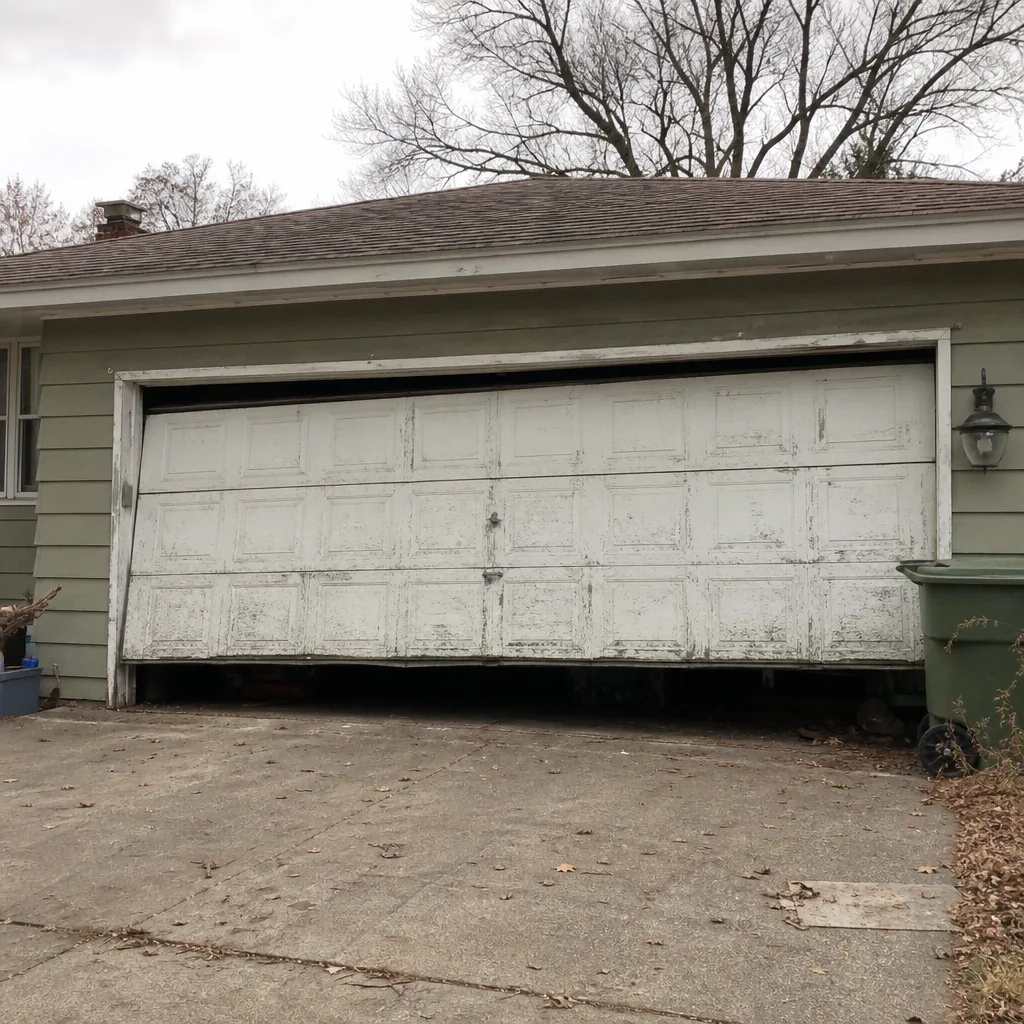 Before
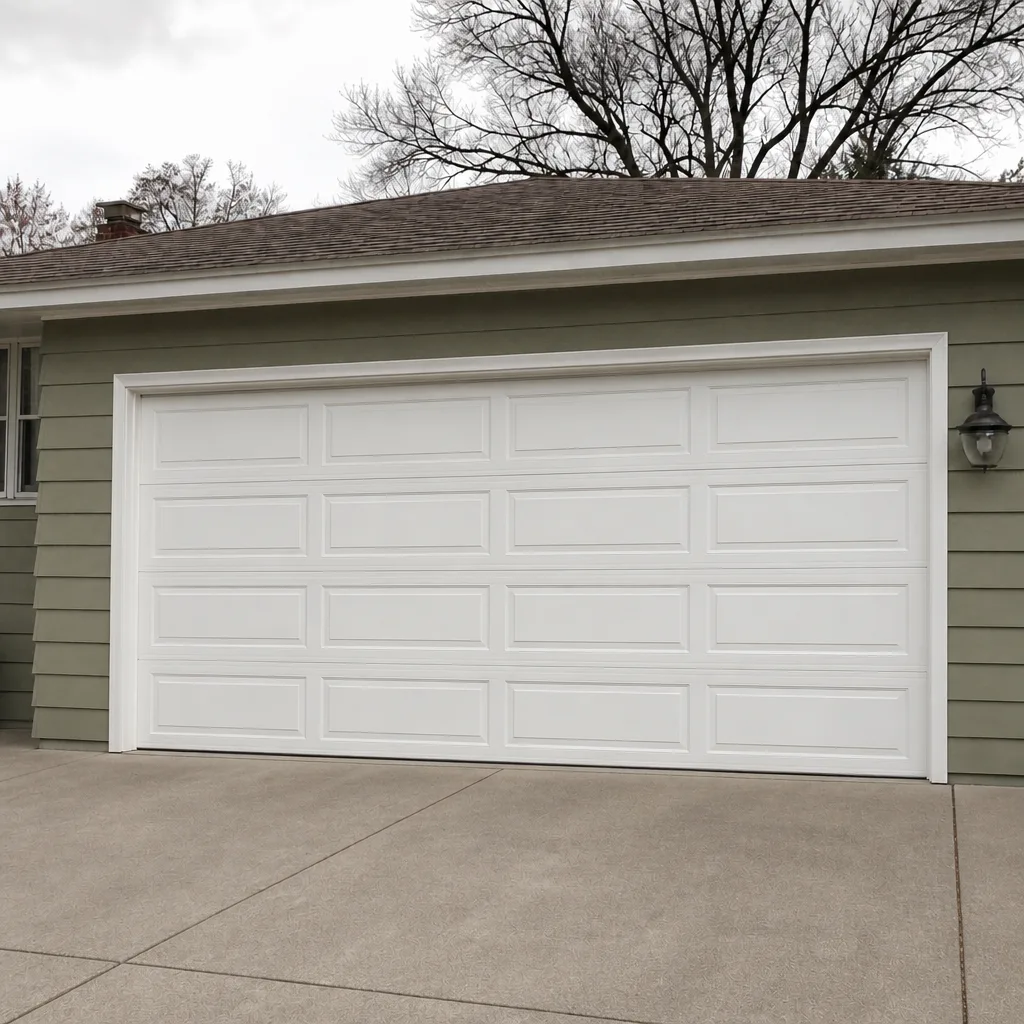 After
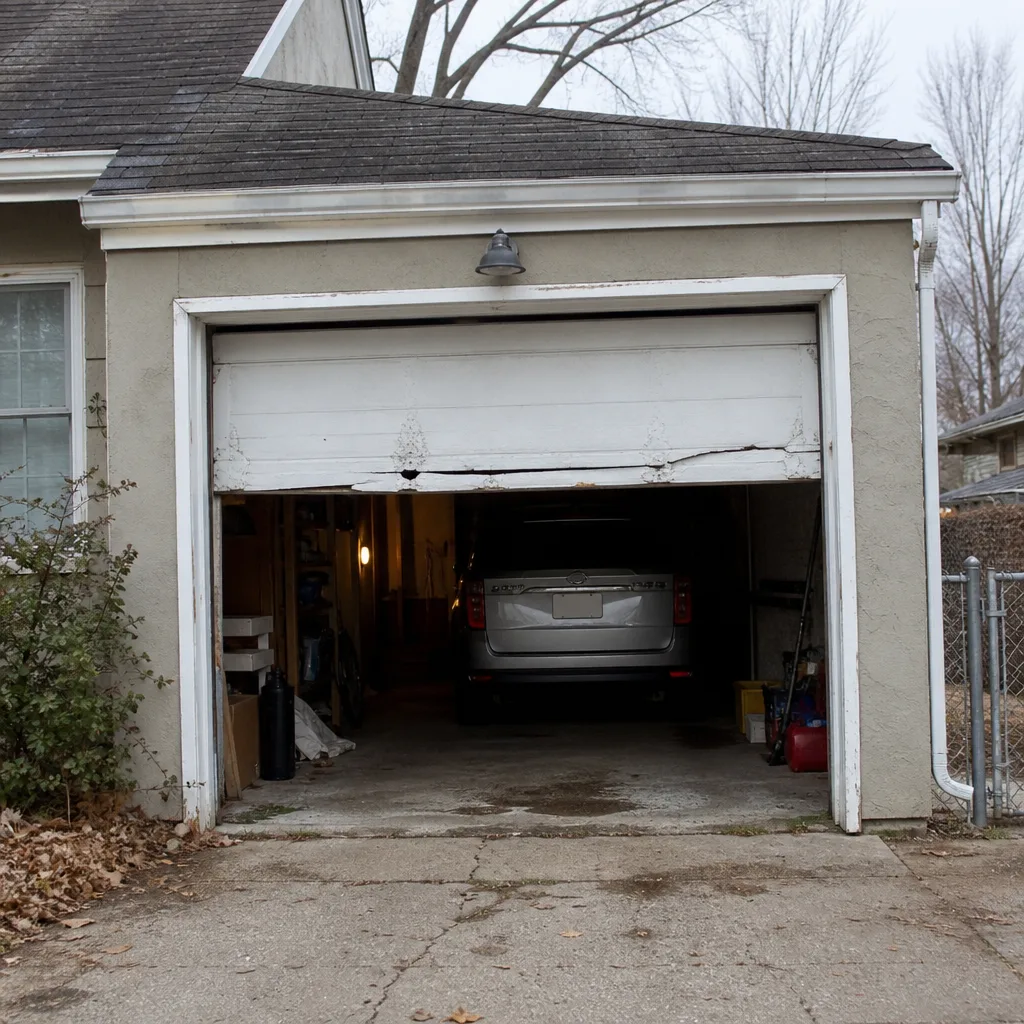 Before
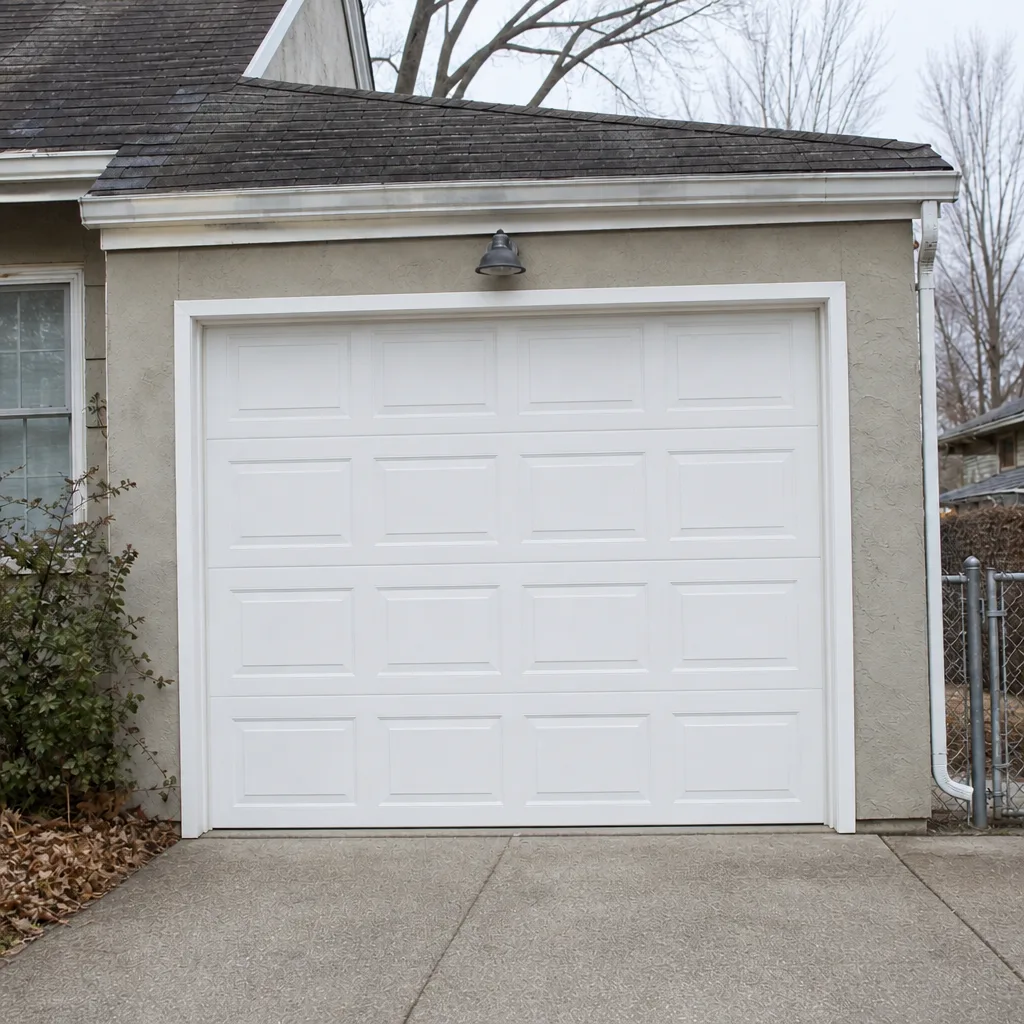 After
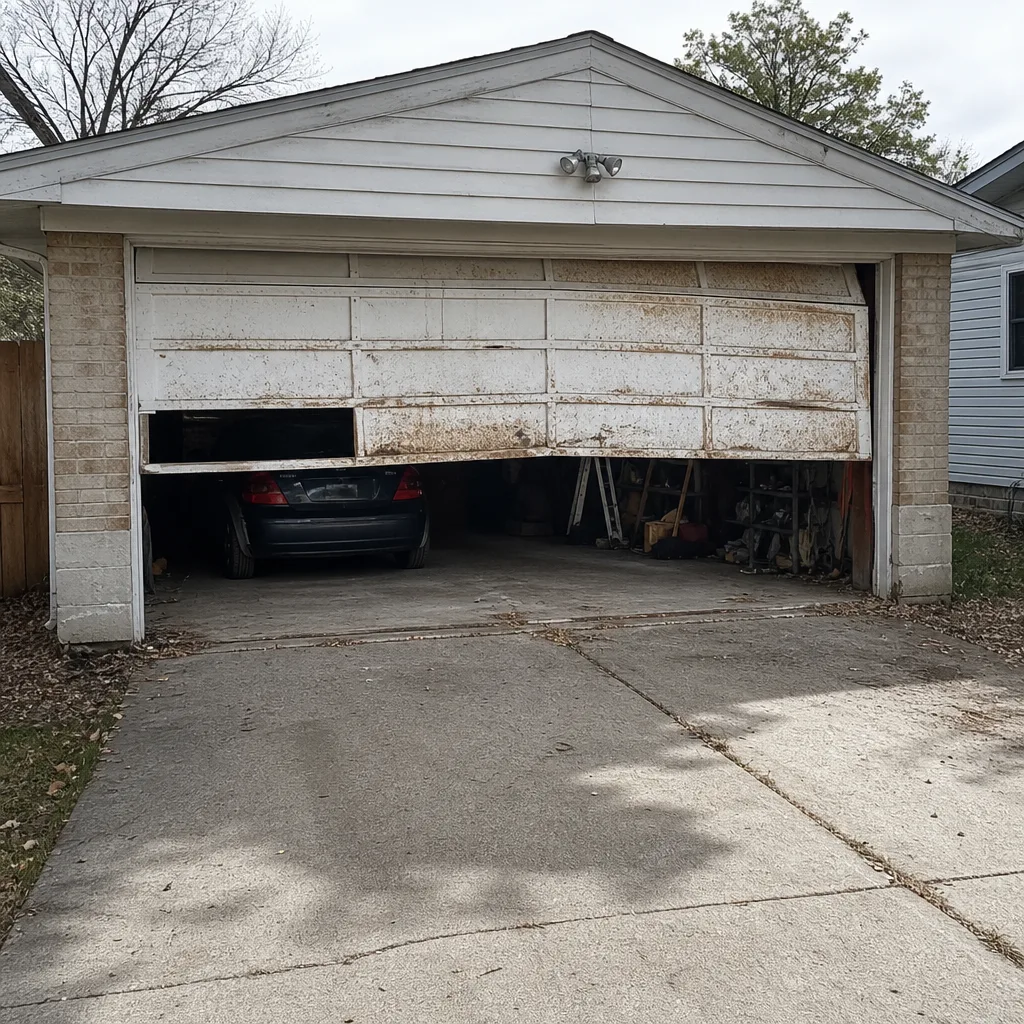 Before
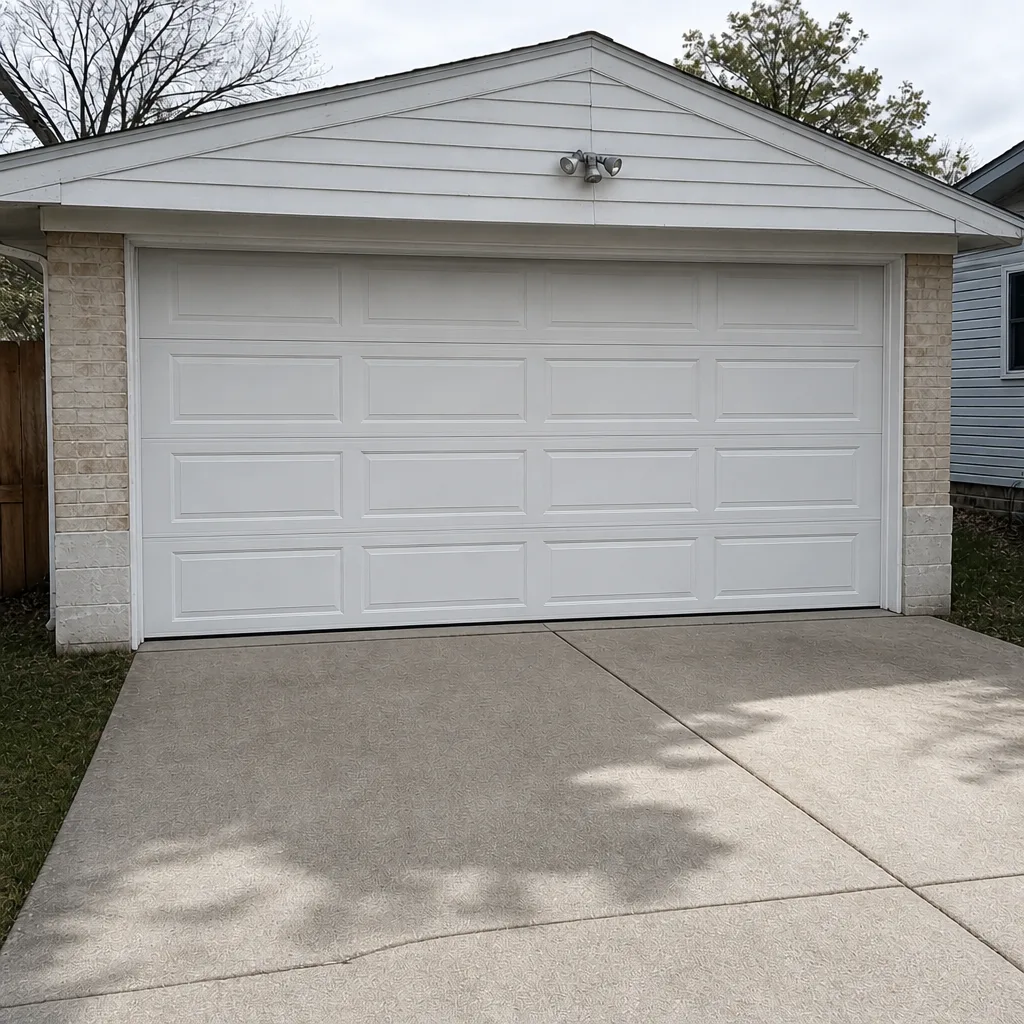 After
Frequently Asked Questions
Check it monthly with the ten-minute test, and do a deeper seasonal service at the spring thaw and before the first hard freeze. Maplewood’s freeze-thaw cycle is hard on seals and springs, so the fall and spring checks matter more here than a once-a-year reminder would suggest.
Sometimes, yes. A spring that’s nearing the end of its life will make the door feel heavier to lift, drift down when you let it go halfway, and show slight stretching. A spring that has already failed shows a clear gap of several inches. If you see a gap, leave the door down and call. Call (855) 550-7783 for a free estimate and we’ll talk you through what to do before we arrive.
We don’t recommend it. WD-40 is a light solvent, not a cold-weather lubricant, and in a Minnesota winter it can thicken and collect grit. Use a garage door or lithium grease on the hinges, rollers, and springs, and keep the track clean and dry.
It depends on the part and the brand, so we don’t quote a number before we see the door. What we can tell you is that we quote the price before any work starts, and the written estimate sets the final price. Call (855) 550-7783 for a free estimate; estimates are free and there’s no obligation.
No. We walk the door with you, explain what we found, and give you a written price before we start. If something changes mid-job, we stop and talk to you before doing anything that would change the price. You’ll never get an invoice that surprises you.
Yes. Emergency garage door service is a core part of what we do, not an add-on. If your door won’t close at night or traps your car in the morning, call (855) 550-7783 and we’ll get you scheduled as fast as we can.
The Bottom Line
The value of a maintenance checklist isn’t the items on it. It’s learning to read the failure signatures: the sound of a dry roller versus a worn bearing, the feel of a tired spring versus a failed one, the look of a seal that will let the first freeze in. Do the ten-minute test monthly. Replace the weatherstrip in fall. Lubricate with the right product, not the one on the shelf. And when you’re not sure, ask before you run the opener. That’s the whole system, and it’s what keeps a Maplewood door working through February. If you’d rather have it checked properly, or you’ve already found a problem, call (855) 550-7783 for a free estimate and we’ll take it from there.
Written by the team at Maplewood Garage Door Repair Pros.