Last updated November 23, 2026
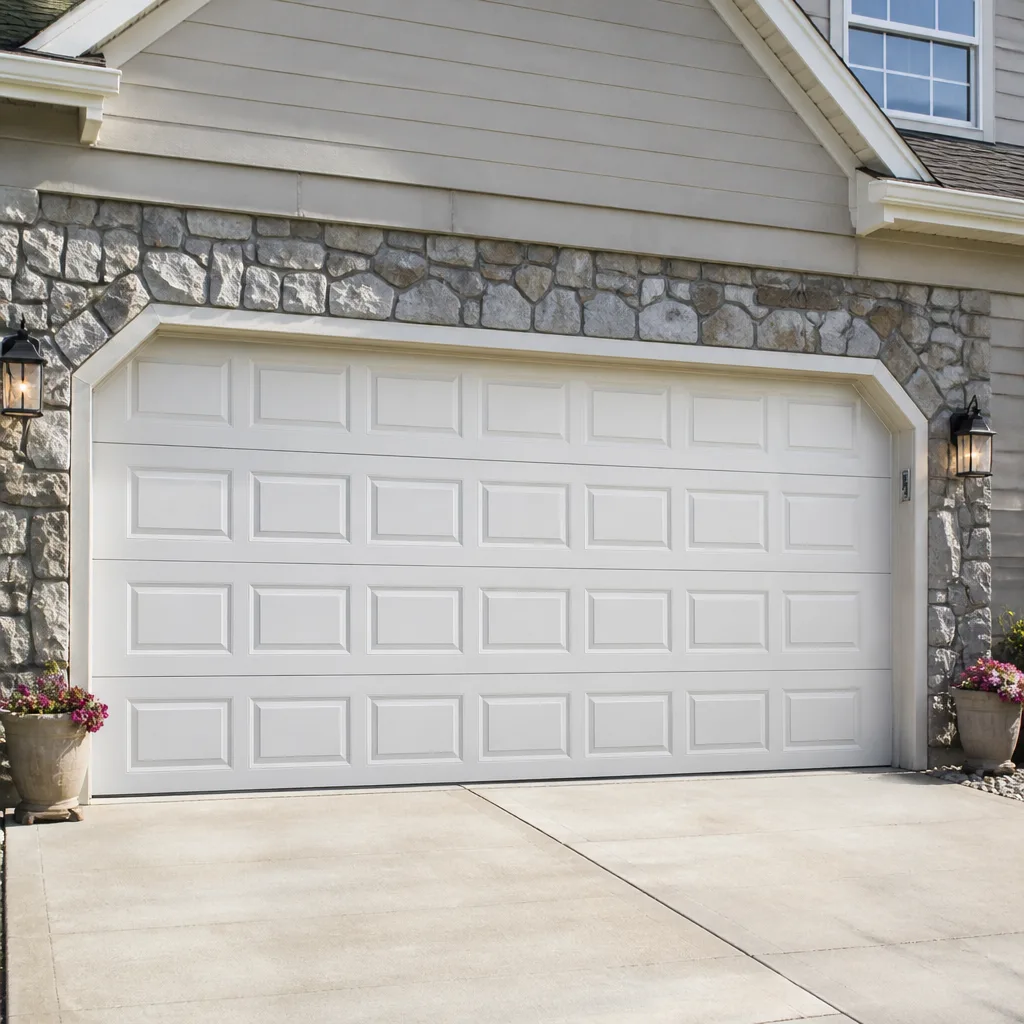 Raised-panel steel
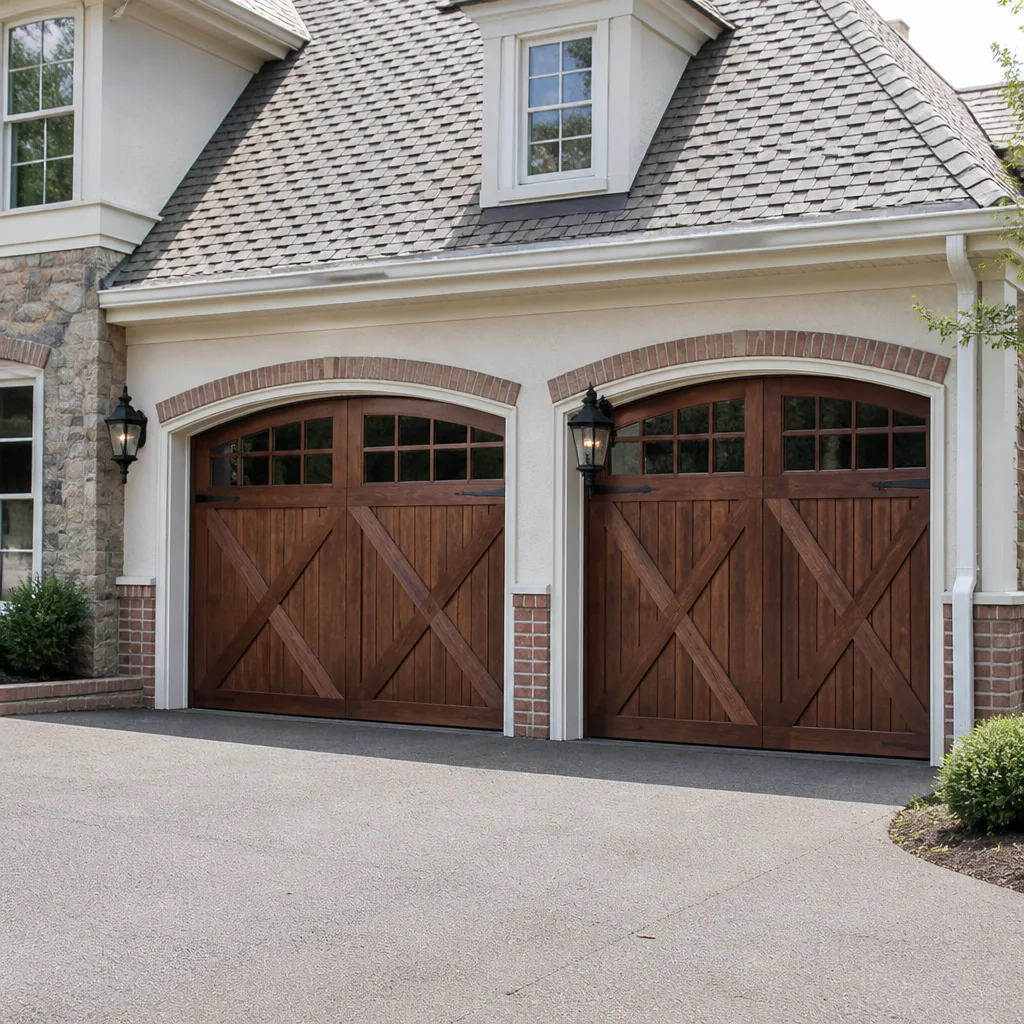 Carriage house
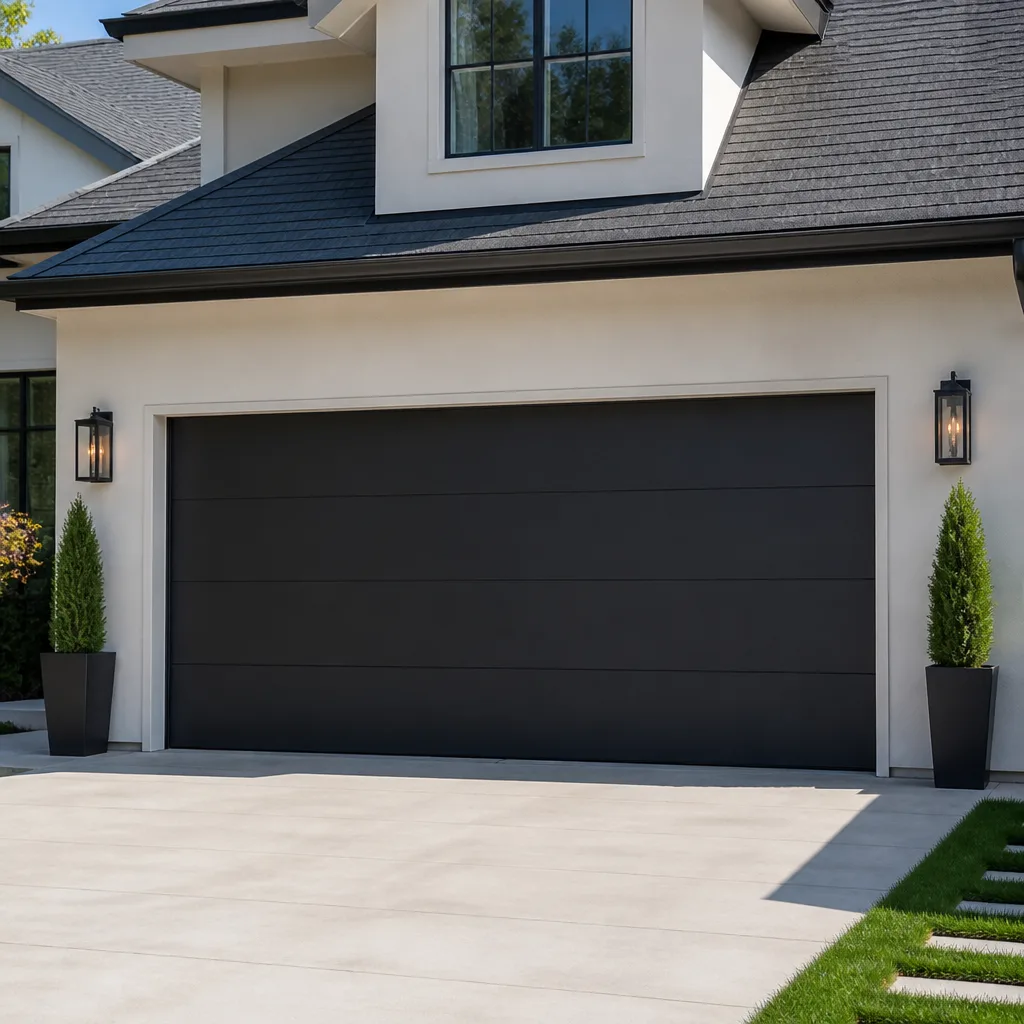 Modern flush
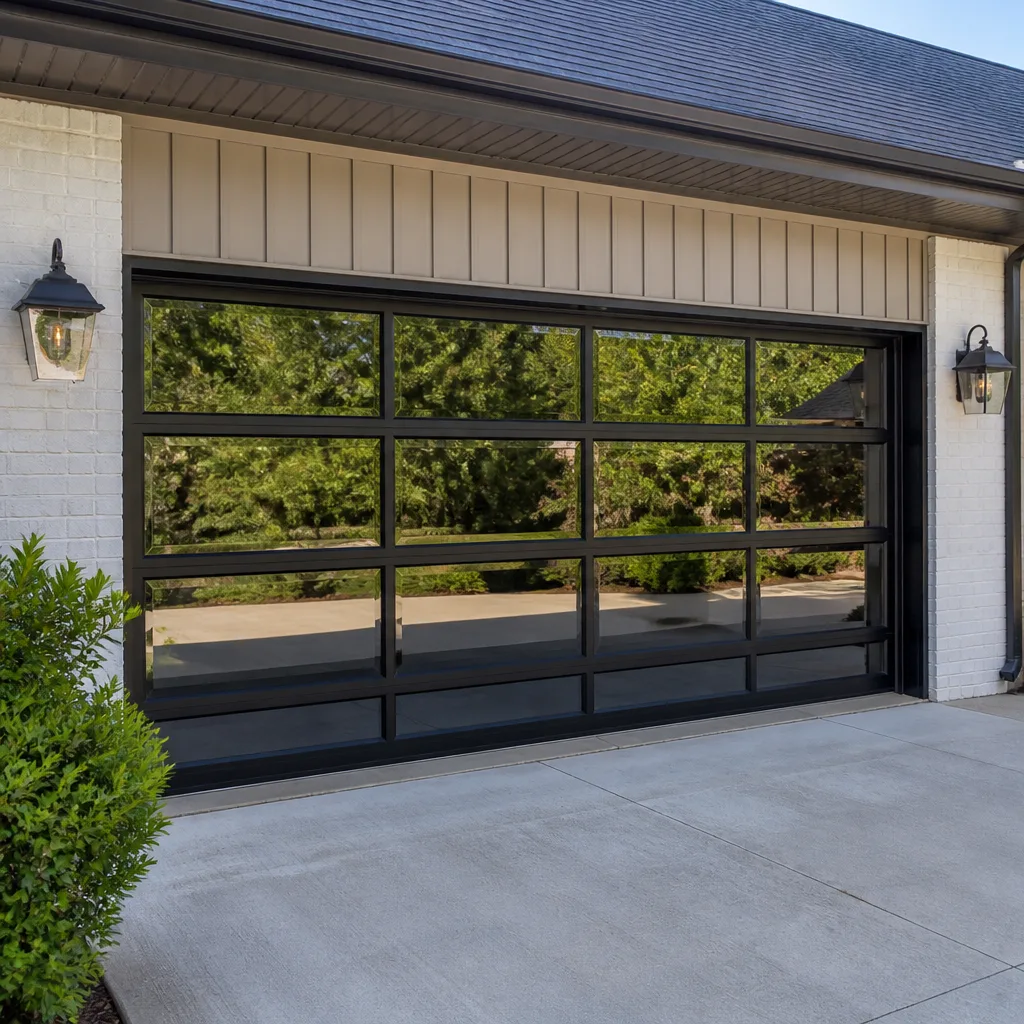 Full-view glass
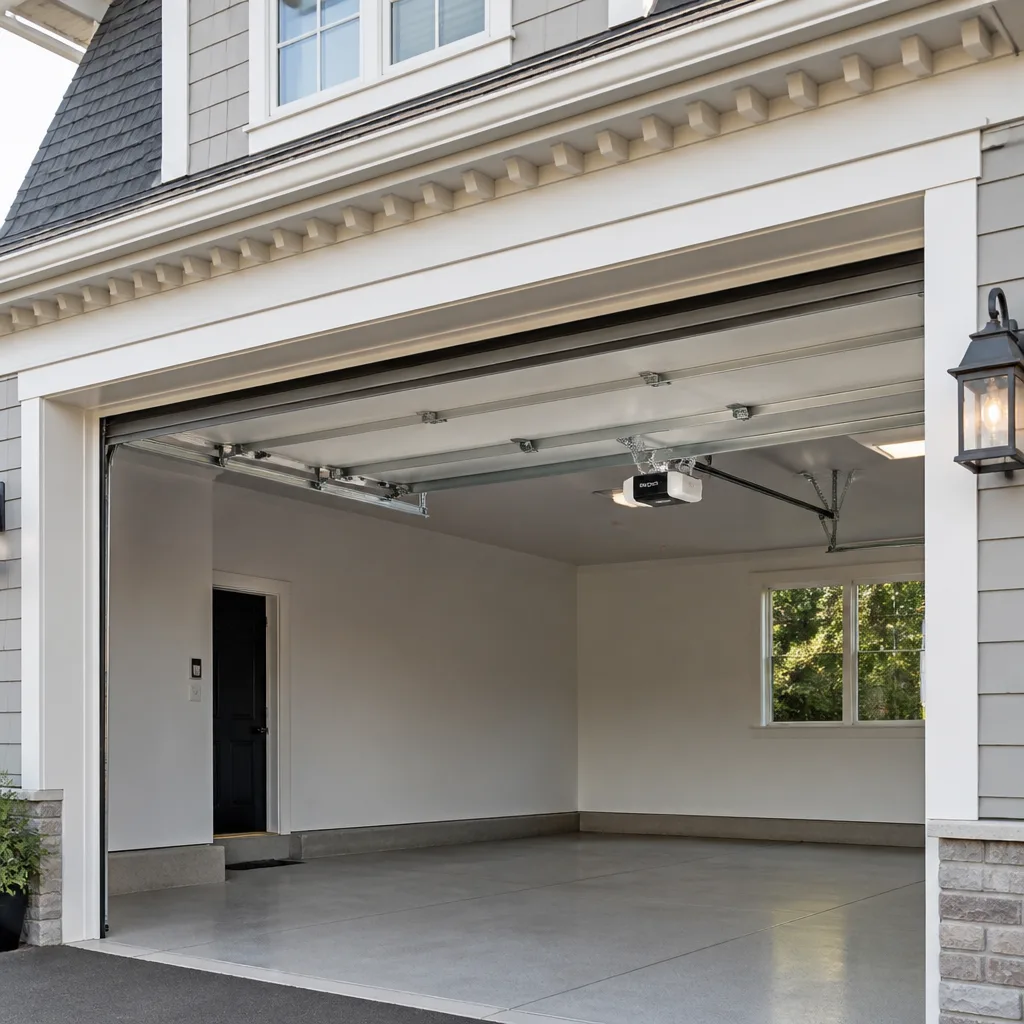 LiftMaster openers
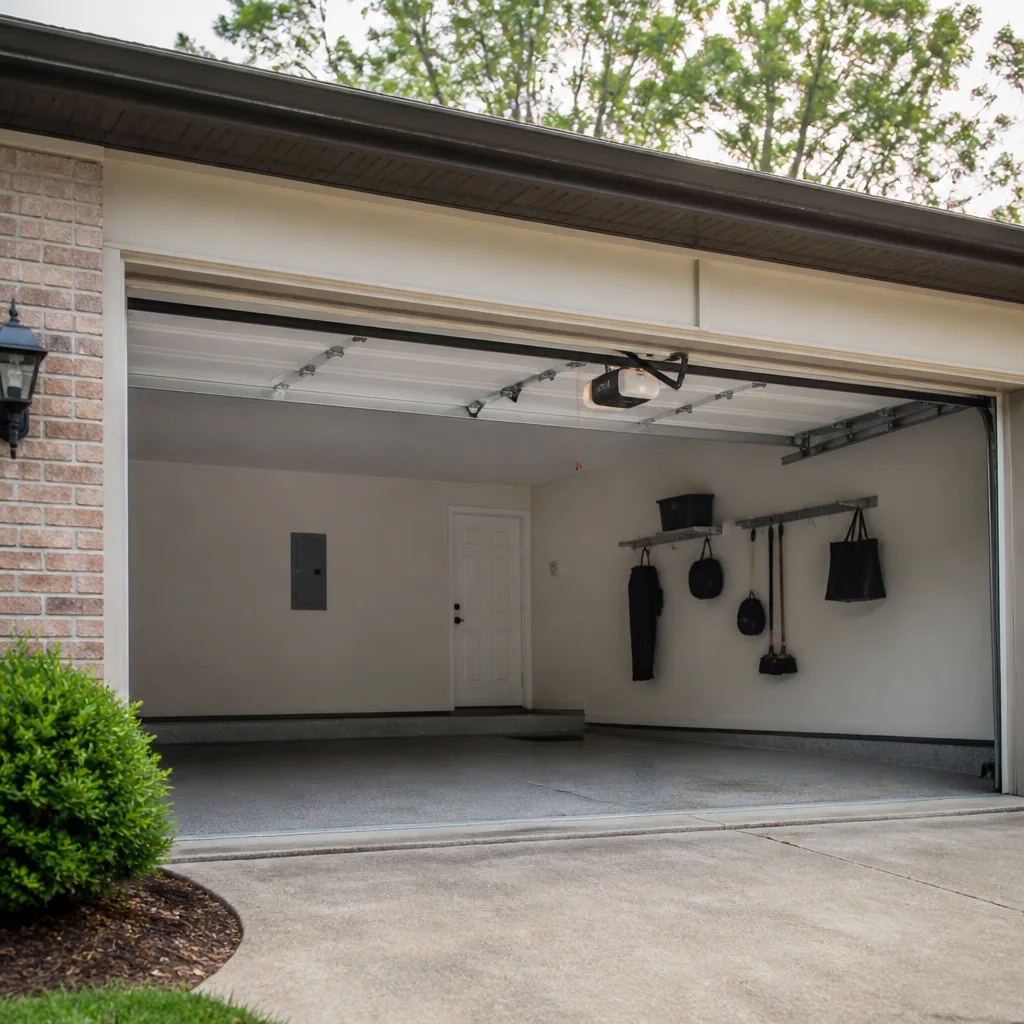 Chamberlain openers
Full 25-point door and opener safety check with every visit - springs, cables, rollers, tracks, and your LiftMaster or Chamberlain opener included
You get a price before we start. It does not change when the pro arrives.
Get your free estimateGarage Door Warning Signs: A Maplewood Homeowner’s Reference Guide
Two grinding sounds can mean two very different things. A grind in the last few inches of closing usually points at a track or hinge problem you can catch early, while a grind mid-travel often means a worn bearing plate that will chew through a roller and then the track. Treat those the same and a small fix grows into a bigger one. Most warning-sign lists hand you vague labels like “unusual noises” and “slow operation,” which leave you with no way to judge how urgent a problem is. This guide does the opposite. We name the specific sound, the specific motion, and the specific thing to look at, then tell you whether to stop using the door now, book a repair this week, or simply keep an eye on it. It’s a diagnostic tool for Maplewood homeowners, not a scare tactic.
Quick Answer
A garage door that bangs, grinds, or runs slowly is warning you about a specific failing part, and the sound usually tells you which one. Stop operating the door immediately if you see a gap in a spring, a frayed cable, or the door hanging unevenly, because those are safety-critical failures. Slower symptoms like squeaks, vibration, or intermittent reversing can wait for a scheduled repair but shouldn’t be ignored.
Styles & brands we work with
- Raised-panel steel
- Carriage house
- Modern flush
- Full-view glass
- LiftMaster openers
- Chamberlain openers
Table of Contents
- The Symptom-to-Cause Matrix: What Each Sound Is Telling You
- Visual Warning Signs: Springs, Cables, and Rollers
- The Stop-Using-It-Immediately Threshold
- Opener Problem or Door Problem? The Manual Disconnect Test
- Cold-Weather Warning Signs in Maplewood
- Motion and Alignment Signs: What Uneven Travel Means
- How to Triage Severity: Repair Now, This Week, or Monitor
- What You Can Check Safely and What You Can’t
The Symptom-to-Cause Matrix: What Each Sound Is Telling You
The sound a failing garage door makes is specific, and it usually points to one component. Learning to hear the difference is the fastest way to judge how urgent a repair is. Here’s how we map the most common sounds to their likely cause, based on the doors and openers we work on across Maplewood. Our technicians have up to 9 years of experience diagnosing exactly this kind of failure.
- A single loud bang, often at the start of opening or closing: Usually a torsion spring breaking. The door may still move a few inches and then stop, or not move at all. Treat this as an immediate stop-use symptom.
- A grinding sound during the last few inches of closing: Often a track that’s out of alignment, a bent hinge, or a roller that’s jumped its track. Catch it early and it’s a small repair.
- A grinding sound mid-travel: Frequently a worn bearing plate or a dry, failing roller. Left alone, this grinds the roller and the track down with it.
- A popping or cracking sound as the door moves: Often a loose panel section, a fatigued hinge, or a cable that’s beginning to fray and slip.
- A high-pitched squeal: Usually metal-on-metal friction from dry rollers, hinges, or a torsion tube that needs lubrication and inspection.
- A low hum with no movement: The opener motor is running but the door isn’t. That points to a stripped gear, a broken drive belt or chain, or a disconnected trolley, not the door’s springs.
One caution before you go further: torsion springs and the cables under tension are the most dangerous parts of the whole system. Never reach for them with a wrench. Reading the sound is safe. Adjusting the part that made it is a job for a trained technician.
Visual Warning Signs: Springs, Cables, and Rollers
Some failures announce themselves before they happen, if you know what to look at. A visual check from the floor, with the door closed and the opener disconnected, takes a few minutes and catches the problems most likely to strand you. Here’s what to look for, and how to tell imminent failure apart from ordinary wear.
Springs
- Imminent failure: A visible gap or split anywhere along a torsion spring, or a stretch spring that’s visibly longer than its neighbor on a two-spring door. Stop using the door.
- Normal wear: Surface rust or a light dusting of oxidation on an otherwise intact spring. Worth monitoring, not urgent.
- Watch for: Torsion springs above the door and stretch springs along the horizontal tracks. A pair should always match; mismatched springs put uneven load on the system.
Cables
- Imminent failure: Frayed strands, a cable that’s come off its drum, or one that’s visibly slack on one side. A snapped cable can whip, so keep clear and stop operating the door.
- Normal wear: A slight rub mark where the cable passes a drum. Some contact is expected; deep gouging is not.
Rollers and Hinges
- Imminent failure: A roller that’s cracked, flat-spotted, or visibly out of its track. Hinges that are bent or missing screws.
- Normal wear: Steel rollers that have darkened or show light surface rust. They’re due for replacement on a schedule, not an emergency.
- Nylon vs. steel: Nylon rollers wear quieter and last well; steel rollers get noisy as they age. Either is fine if it’s intact.
The Stop-Using-It-Immediately Threshold
Some symptoms mean the door is genuinely unsafe to operate until it’s repaired, and no amount of “it still works” changes that. The threshold is clear. If you see any of the following, stop using the door and keep people and vehicles clear until a technician has looked at it.
- A broken or visibly gapped spring. The door may be holding only by the opener, which isn’t built to carry that weight. It can come down hard.
- A frayed, slack, or disconnected cable. A cable under tension can snap and whip. Don’t try to re-hook it.
- A door hanging visibly uneven, with one side lower than the other. That’s a cable or spring failure on one side, and it can drop without warning.
- A door that comes off its track or hangs at an angle. Operating it can bend the track and the panels.
- The opener runs but the door stays put and you can hear the motor straining. Stop it before the gear or the motor burns out.
- Any bang followed by the door refusing to open fully. Assume a spring has let go.
Each of these is a case for emergency service, not a wait-until-business-hours situation. A door that fails to close leaves your home open, and a door hanging dangerously is a hazard to anyone walking under it. If that’s your situation tonight, call us – we’re set up to respond when the door fails.
Opener Problem or Door Problem? The Manual Disconnect Test
A slow or stuck door isn’t always the opener’s fault, and a struggling opener isn’t always the door’s fault. Knowing which side of the system has the problem saves you from replacing a motor that was fine all along. The manual disconnect test separates the two in a couple of minutes, without tools.
- Close the door and unplug the opener (or switch off its breaker) so it can’t move on its own.
- Pull the manual release cord hanging from the opener’s trolley. That disconnects the door from the drive system.
- Lift the door by hand about halfway and let go gently. A healthy, balanced door stays roughly in place, maybe drifting slightly. If it slams down or you have to fight to lift it, the door’s springs or balance are the problem, not the opener.
- Open and close it by hand a few inches and listen. Grinding, catching, or a rough spot means a mechanical issue in the door itself.
If the door moves smoothly by hand but the opener still struggles, the problem is in the opener – the drive gear, the belt or chain, the logic board, or a limit setting. That’s when garage door opener repair comes in, and it’s worth knowing the difference before you assume the motor’s dead. Once you’re done testing, re-engage the trolley and restore power carefully, or leave it disconnected if the door is unsafe.
Cold-Weather Warning Signs in Maplewood
Winter puts a different kind of stress on a garage door than the rest of the year, and some failures that only show up in the cold catch homeowners off guard. Maplewood’s hard freezes and the freeze-thaw cycles that follow are the backdrop for most of them. These are the signs worth watching as temperatures drop.
- Stiff or sluggish movement on the first cold morning: Cold thickens the lubricant in hinges and rollers, and metal contracts. A door that’s sluggish only in the cold often needs fresh lubrication and a balance check, not a new opener.
- A door that reverses or stops partway in freezing weather: Ice and snow packed against the bottom seal can trip the safety sensors or fool the opener’s force setting. Clear the threshold and check the sensors before assuming a repair is needed.
- A louder-than-usual squeal or groan in winter: Cold makes worn rollers and dry bearings noisier. If it quiets down as the day warms, it’s often lubrication and wear.
- A weather seal that’s cracked or frozen to the floor: A brittle seal can tear and let cold and moisture in. That’s a maintenance replacement.
- A spring that lets go on the coldest morning: Metal under tension is more brittle when it’s very cold, so spring failures often cluster in winter. A bang on a freezing morning is a strong sign of a broken spring.
You can’t prevent every cold-weather failure, but keeping the door lubricated, the bottom seal intact, and the safety sensors clear handles most of them. Those Maplewood winters are why we treat a winter service check as more than a formality for a door you depend on.
Motion and Alignment Signs: What Uneven Travel Means
Not every warning comes as a sound. How the door moves tells you just as much, and some motion problems are the earliest sign of a mechanical failure. Watch the door through one full cycle and note anything that looks off.
- One side lower than the other: A classic sign of a cable or spring problem on one side. Stop using it and have it checked.
- A visible wobble or shimmy: Often a worn roller, a loose hinge, or a track that’s out of square. Usually a this-week repair, not an emergency.
- A door that jolts or jerks partway through travel: A track obstruction, a bad roller, or a spring that’s lost tension. Worth a diagnosis.
- A gap between door and floor when closed: Weather seal worn or a door out of adjustment. It lets in cold and water, so worth fixing.
- Doors that bounce or reverse near the floor: The safety sensors or the opener’s force setting. Test the sensors first.
Uneven travel isn’t cosmetic. A door that’s riding off-balance puts extra load on the opener and the tracks, which is how a small alignment issue becomes a bent track or a burned-out motor. If you see it, get it looked at. That’s the kind of early catch that keeps a garage door repair simple.
How to Triage Severity: Repair Now, This Week, or Monitor
Once you’ve identified the symptom, the next question is timing – and the answer depends on the type of failure, not just how annoying it is. Here’s the triage we use ourselves, broken into three tiers.
Stop using the door now (call for emergency service)
- A broken or gapped spring, or a bang followed by a door that won’t open.
- A frayed, slack, or disconnected cable.
- A door hanging unevenly or off its track.
- The opener running with no door movement, motor straining.
Book a repair this week
- Grinding or squealing that isn’t getting worse by the day.
- A slow or sluggish door, or one that needs a second press.
- A roller or hinge that’s worn or out of place but the door runs.
- A door that reverses intermittently for no obvious reason.
Monitor and maintain
- Light surface rust on springs or rollers.
- Minor squeak that lubrication quiets.
- A weather seal that’s starting to show its age but hasn’t torn.
The tricky part is that many problems start in the “monitor” tier and climb. A slight grind can become a track problem in a matter of weeks. When in doubt, get a technician’s eye on it rather than waiting for it to fail at the worst possible time.
What You Can Check Safely and What You Can’t
There’s a safe way for a homeowner to inspect a garage door, and there’s a line you don’t cross. Knowing where that line is protects you. Here’s the split we recommend to Maplewood homeowners.
Safely do: Listen through a full cycle, look at the spring and cables from the floor with the door closed, look for a gap between door and floor, check that the safety sensors are clear and aligned, test the manual release, and lubricate hinges and rollers with a garage-door-appropriate lubricant.
Don’t do yourself: Adjusting, removing, or replacing torsion springs or the cables under tension. Those are stored with high energy, and a slip can cause serious injury. The same goes for trying to straighten a bent track or re-hang a door that’s come off. These are the jobs a trained technician handles, and they’re why spring work is a specialty service rather than a general fix. Our spring repair is a dedicated service for exactly this reason – it’s the most mechanically dangerous and most often mishandled part of a garage door. When you need a hand with any of the safety-critical work, one call covers it, and we work on every major brand including Amarr, Wayne Dalton, Craftsman, and Raynor.
Brand-Specific Diagnoses: When the Door and Opener Matter
Some warning signs show up with a particular brand’s equipment, and knowing the make helps a technician diagnose faster. This is where brand familiarity earns its keep. Our technicians are fluent in eight of the most widely installed garage door and opener brands in North America, including LiftMaster, Chamberlain, Genie, Clopay, Amarr, Wayne Dalton, Craftsman, and Raynor. That means when you describe the symptom and the model, we already know what to look at.
- Openers: A hum with no movement on a LiftMaster or Chamberlain unit often points to a stripped gear or a drive problem specific to that model. Genie and Craftsman openers have their own known failure points on the logic board and the drive belt.
- Doors: Panel and hinge components differ by maker, so a grinding door on a Clopay or Amarr setup may need a different hinge or roller than a Wayne Dalton or Raynor door of the same size.
- Sensors and safety systems: How the reversing system behaves varies by opener, so knowing the brand shortens the diagnostic.
If you’re not sure of the model, check the label on the motor head or the panel – a photo of it helps. From there, a technician can usually match the symptom to the likely cause before the visit, which cuts down the guesswork. When a door gets bad enough, garage door installation of a replacement can sometimes be the cleaner answer, but most warning signs are repairable. Either way, it’s one call. If you’re the kind who wants the whole picture first, start with the Maplewood Garage Door Repair Pros home base, then call for the visit.
See the difference
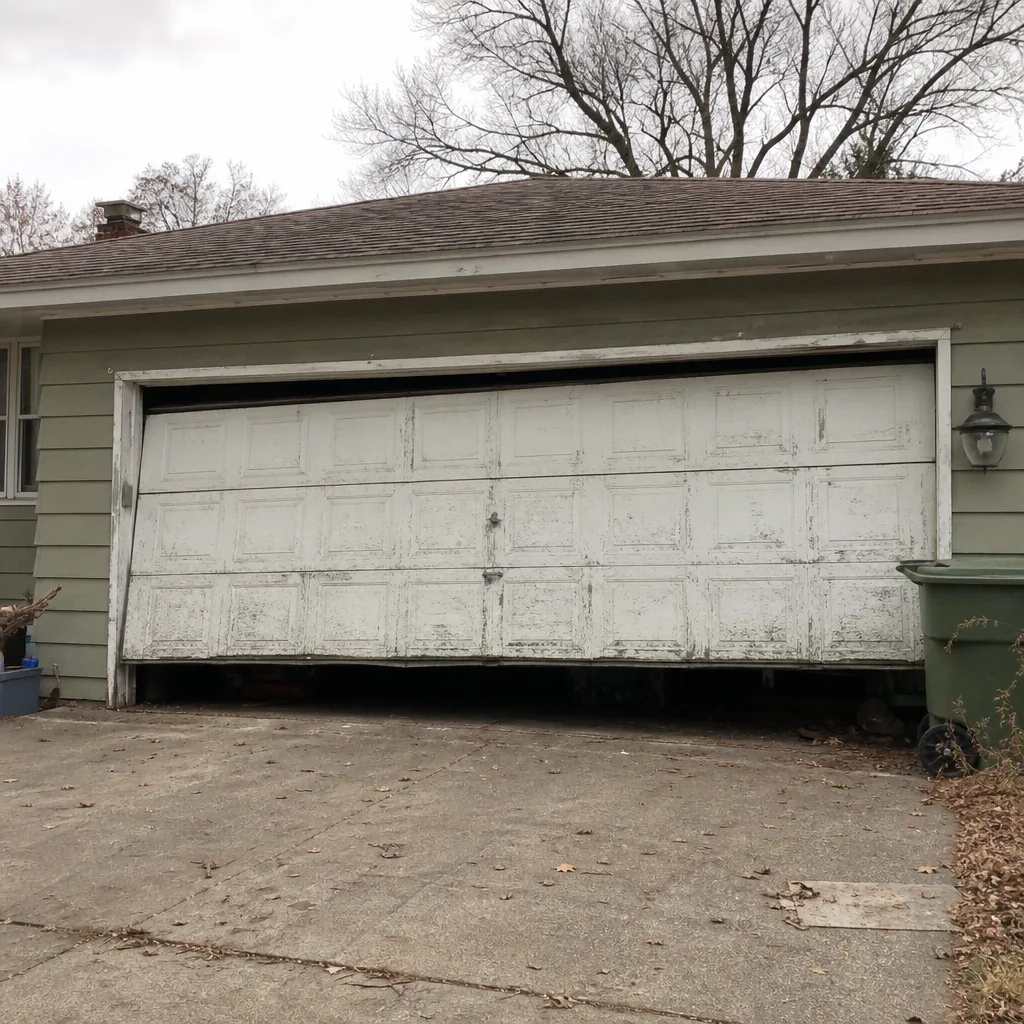 Before
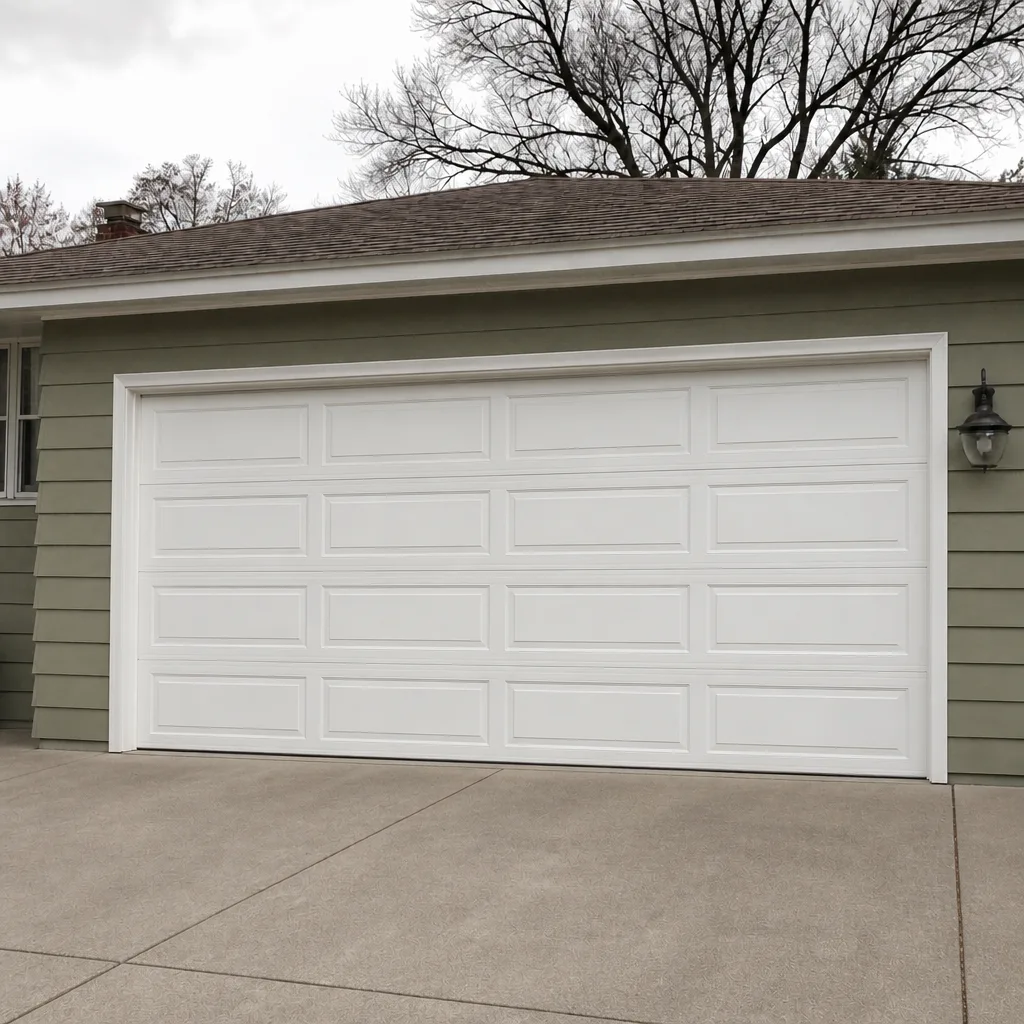 After
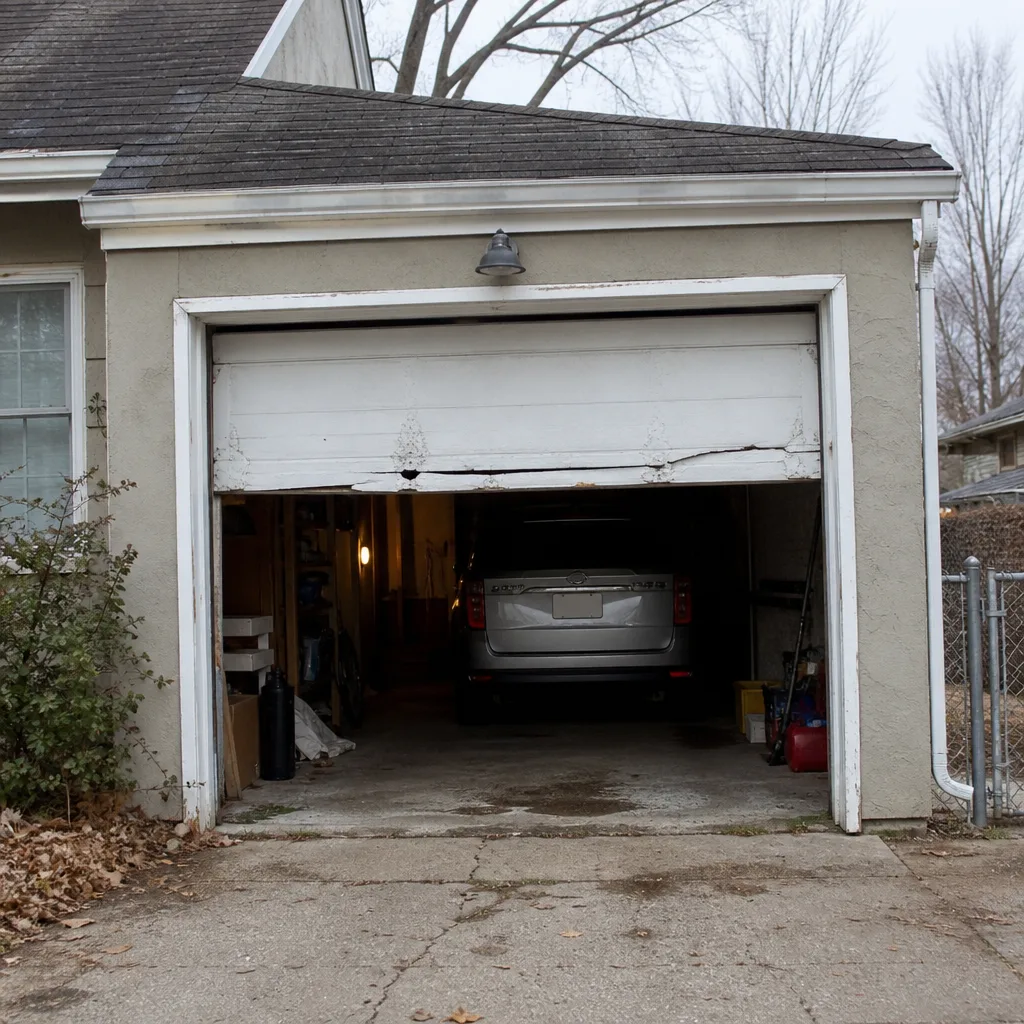 Before
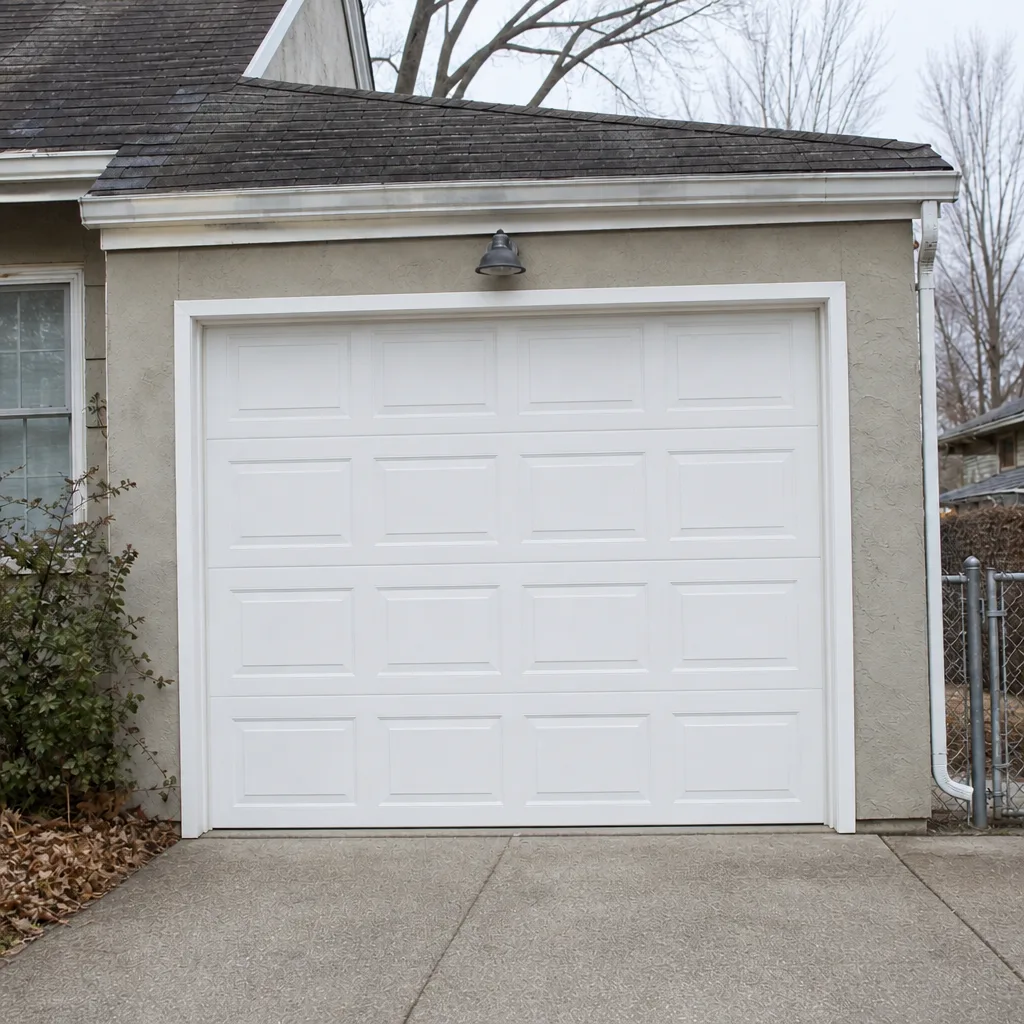 After
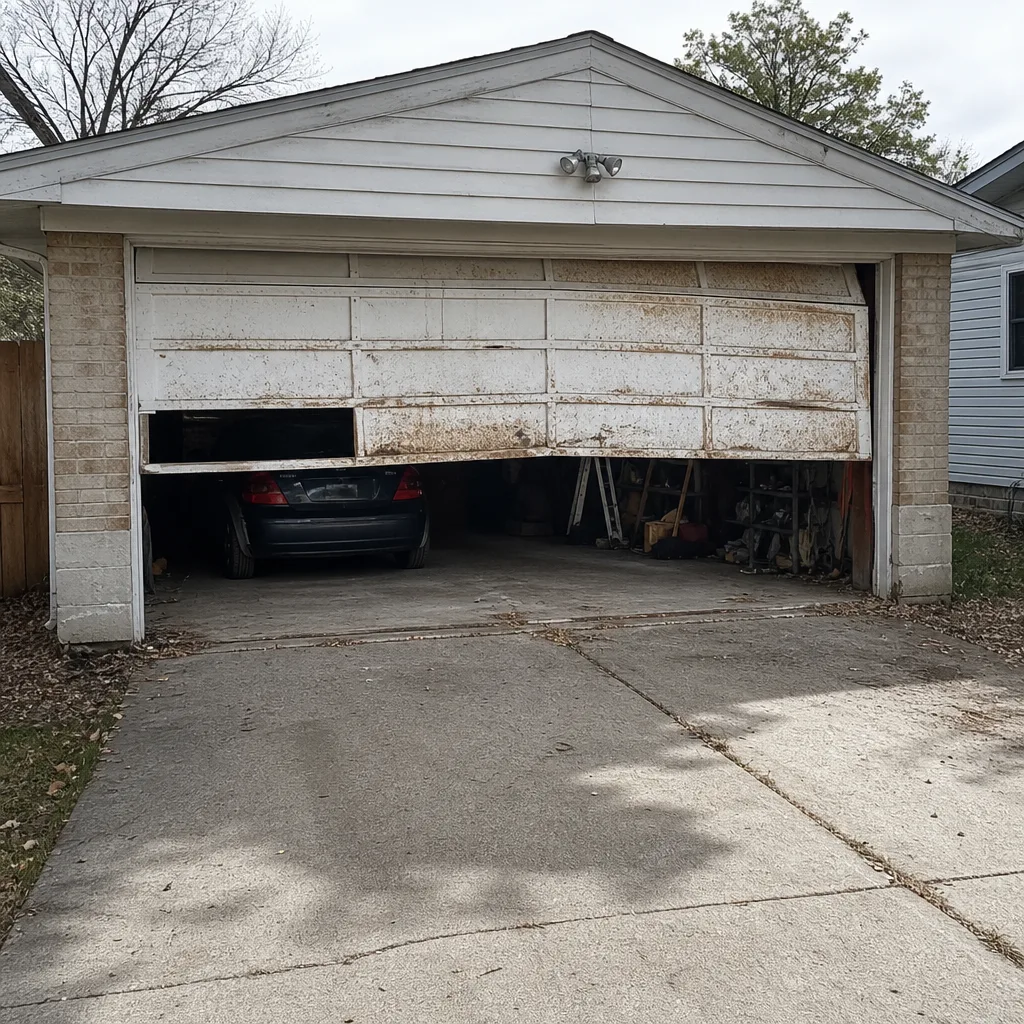 Before
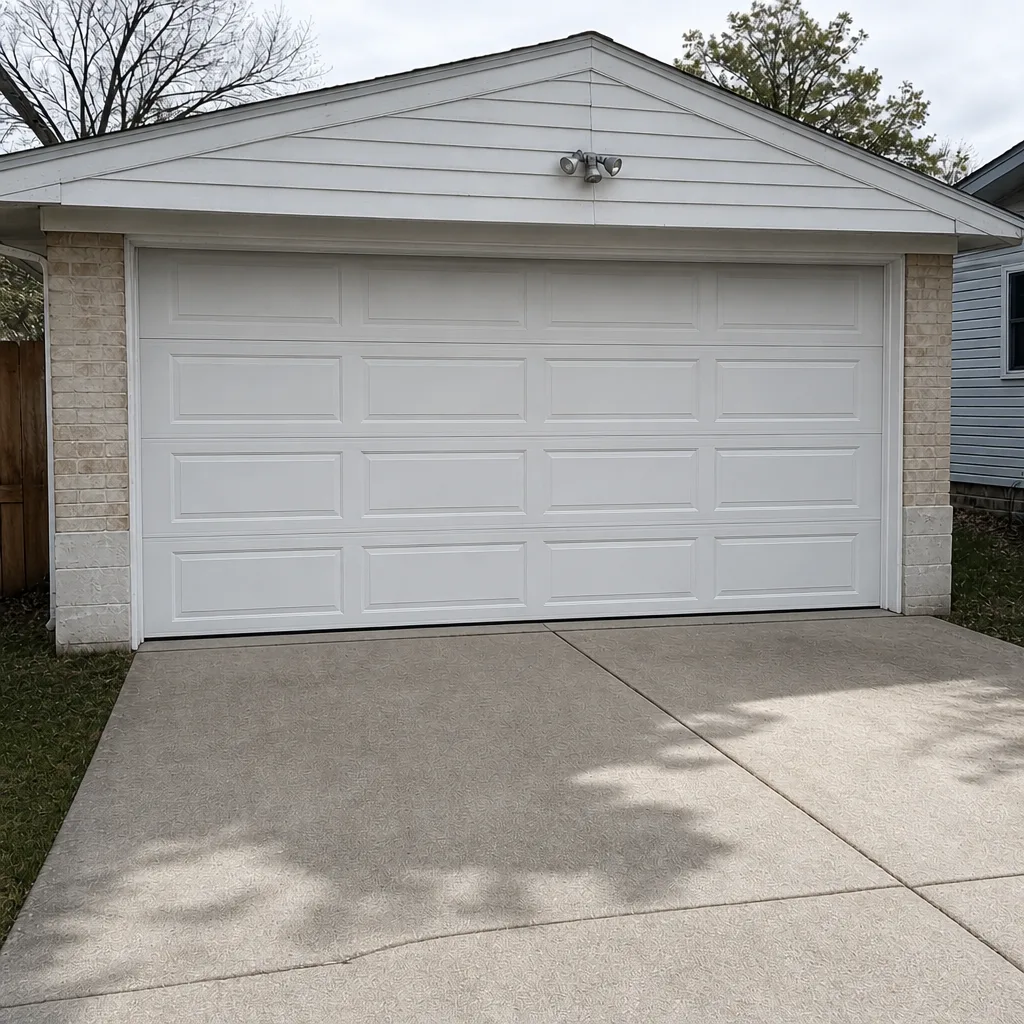 After
Common Mistakes to Avoid
- Treating every grinding sound as the same problem. The grind at the end of closing and the grind mid-travel have different causes. Chasing the wrong one wastes time and money, so locate it in the cycle first.
- Ignoring a small slow-down as “normal.” A door that’s gradually slower or noisier is telling you a part is wearing. Catching it early in Maplewood’s cold months saves a bigger repair later.
- Running a door with a broken spring because it “still works.” The opener can pull a door whose spring has failed, but it’s built for a balanced door, not that load. Stop using it.
- Assuming a stuck door means a new opener. Run the manual disconnect test first. It’s often the door’s balance or springs, not the motor.
- Reaching for a torsion spring or cable with a wrench. These are the dangerous parts, and a slip can cause serious injury. Leave them to a technician.
- Not clearing snow and ice from the threshold in winter. Packed ice trips the sensors and strains the opener. Clear it before you blame the door.
- Calling a general handyman for spring or track work. Many decline high-tension spring work, which is a specialty. A garage door specialist is the right call.
When to Call a Professional
Call a professional when the symptom is in the stop-use tier – a broken spring, a frayed or slack cable, a door hanging unevenly, or an opener straining without moving the door. Call when the door won’t close at night or is trapping a car in the morning, because those are exactly the situations emergency service exists for. Call when a grind or squeal is getting worse by the day, when a door reverses intermittently, or when winter makes the door stiffer and louder. And call when you’re unsure, because a short visit now is cheaper than a failed door later. Maplewood Garage Door Repair Pros offers free estimates in Maplewood – call (855) 550-7783. The price is quoted and agreed before any work starts, so there are no surprise invoices after the fact. The local pro is licensed and insured as their state requires.
Frequently Asked Questions
The most common are a loud bang (usually a broken spring), grinding during travel, squealing from dry rollers, a slow or sluggish door, and a door that reverses on its own. Any of the first signs that involves a spring or cable is a stop-use signal. Call (855) 550-7783 for a free estimate if any of these show up.
Look for a visible gap or split along a torsion spring, or a stretch spring that’s longer than its neighbor. A door that feels unusually heavy by hand or slows near the top can also signal a spring losing tension. If you see a gap, stop using the door and have it checked.
You can safely lubricate hinges and rollers, check the safety sensors, and run the manual disconnect test. You should not adjust or replace torsion springs, cables, or a bent track, because those are safety-critical. Those jobs need a trained technician and the right tools.
Cold thickens lubricant and contracts metal, so worn rollers and dry bearings get noisier. If it quiets as the day warms, it’s usually lubrication and wear rather than a serious failure. A fresh lubrication and balance check handles most of it.
Grinding itself usually isn’t dangerous, but it points to a part that’s wearing and will fail if ignored. A grinding sound paired with a broken spring, a frayed cable, or an uneven door is a stop-use situation. When in doubt, stop and call.
Cost depends on the failed part – a roller or hinge replacement runs less than a spring or cable repair, and a track or panel repair sits somewhere between. There’s no single price for every repair, which is why we give a written estimate. Call (855) 550-7783 and we’ll quote it before any work begins; estimates are free.
The Bottom Line
Garage door warning signs aren’t a vague category; each sound and motion points to a specific part, and the guide above gives you the language to name it. Banging usually means springs, grinding mid-travel usually means bearings or rollers, a hum without movement means the opener, and anything that leaves the door hanging uneven or off its track is a stop-use situation. The cold of a Maplewood winter adds its own signs, from stiff mornings to brittle springs. Triage the severity, check what’s safe to check, and leave the springs, cables, and tracks to a specialist. Catch it early and a small repair stays small.
If a warning sign has you unsure, call Maplewood Garage Door Repair Pros at (855) 550-7783 for a free estimate. One call covers repair, opener work, spring repair, and installation, and we work on your brand. The price is quoted and agreed before any work starts.
Written by the team at Maplewood Garage Door Repair Pros.