Last updated November 23, 2026
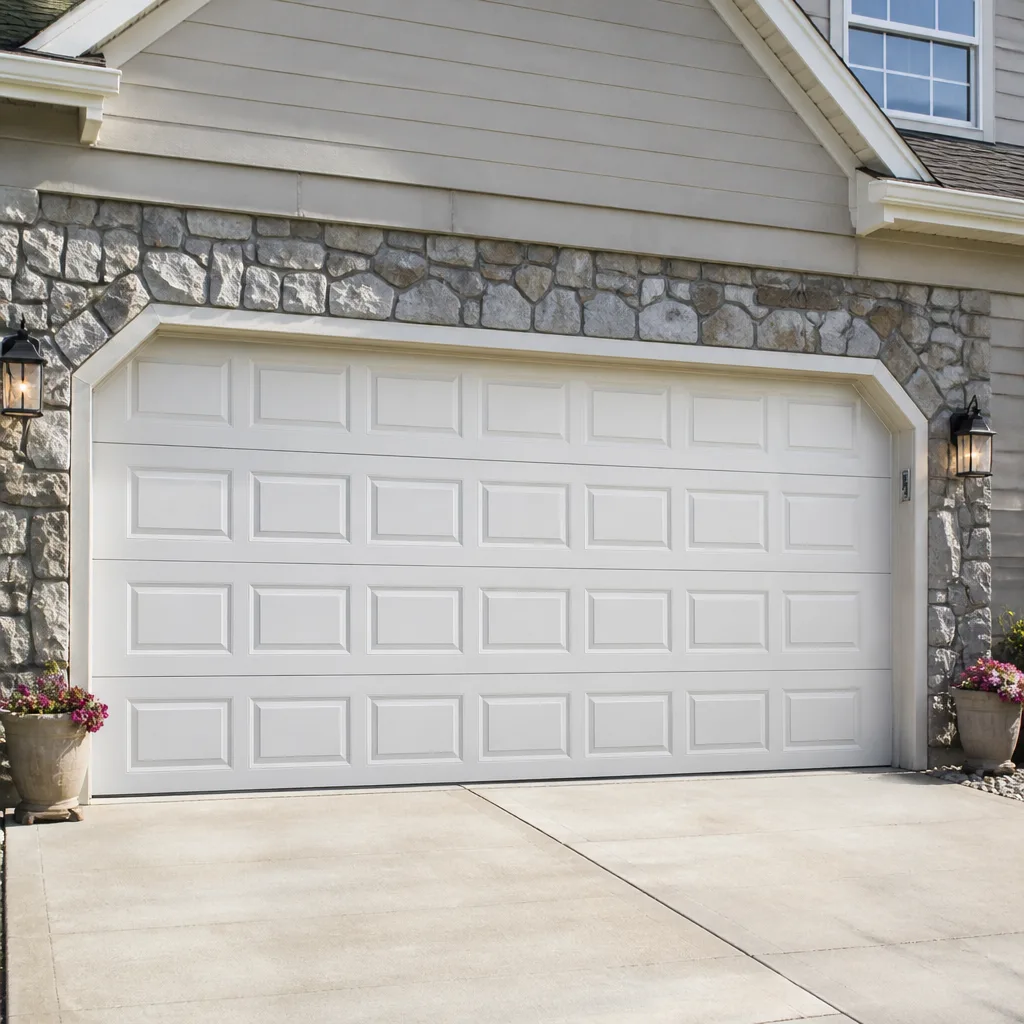 Raised-panel steel
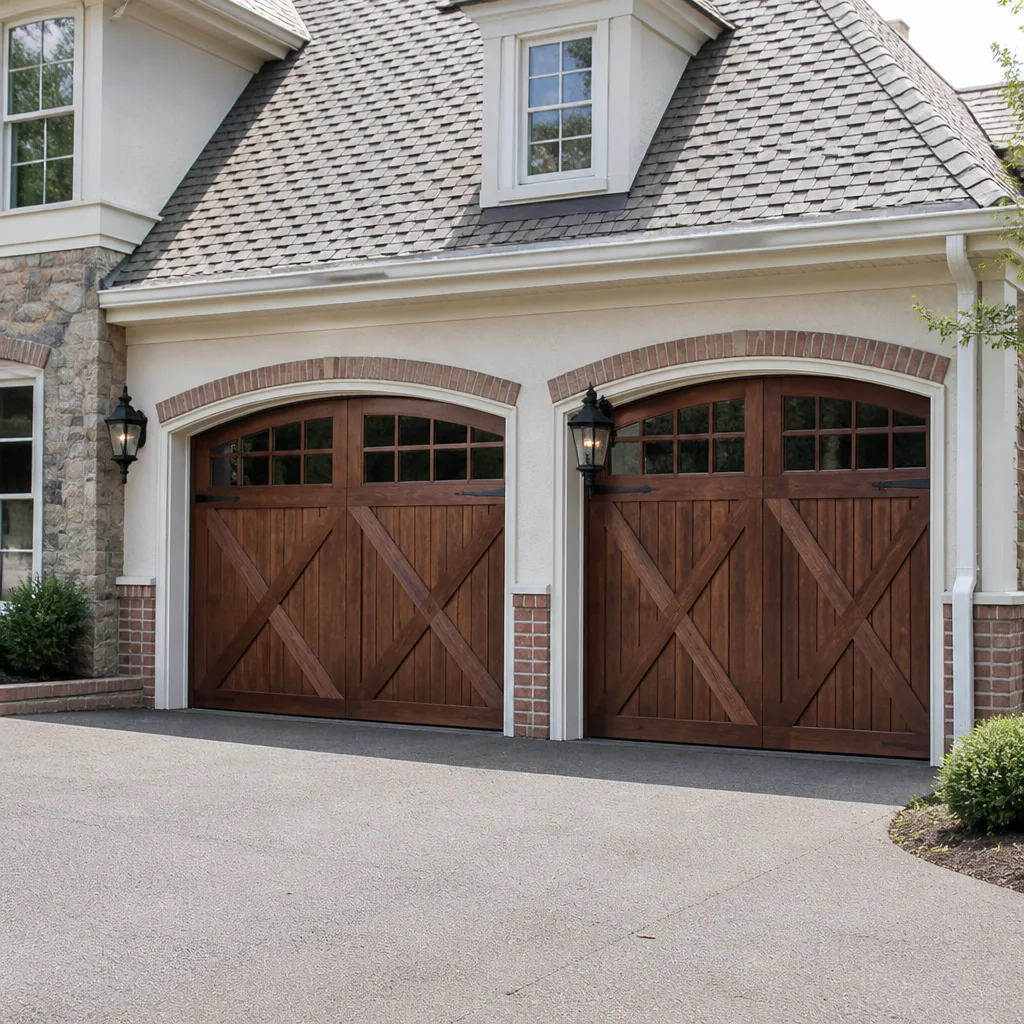 Carriage house
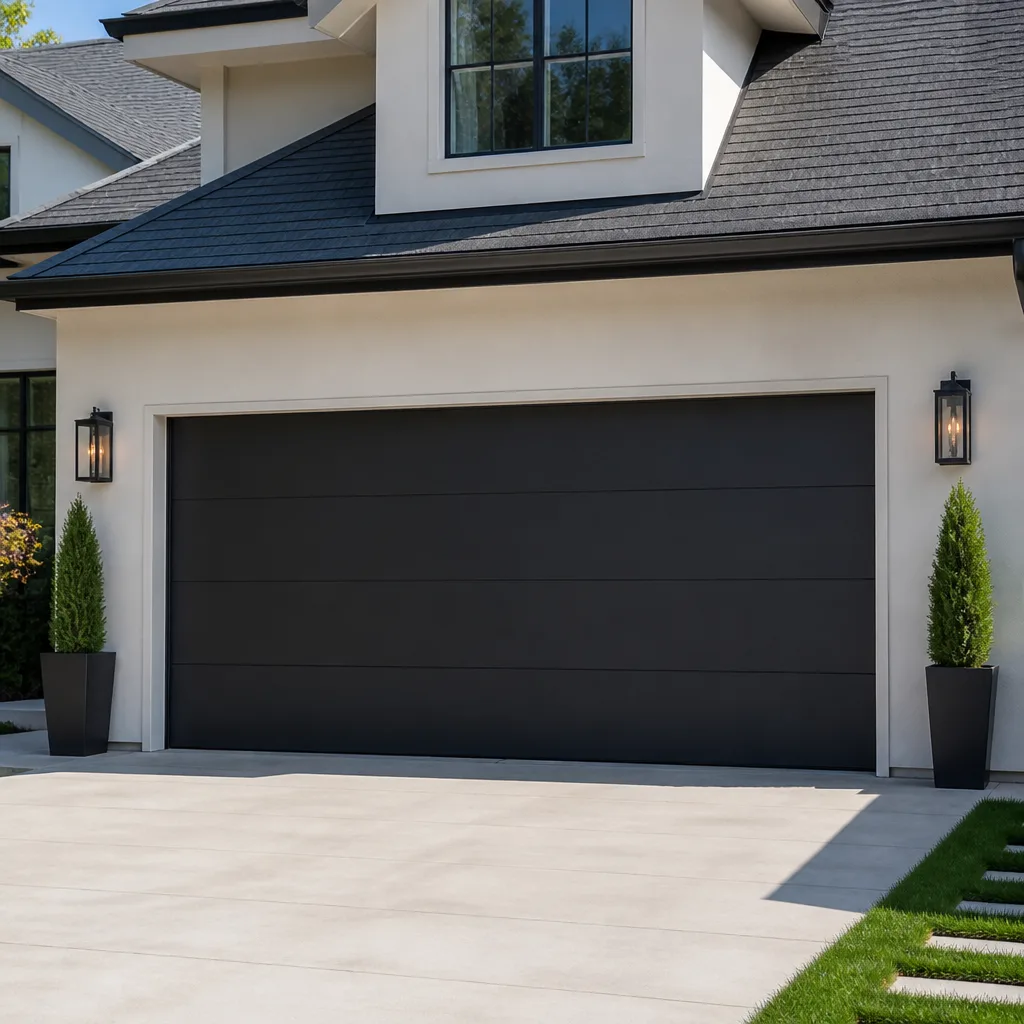 Modern flush
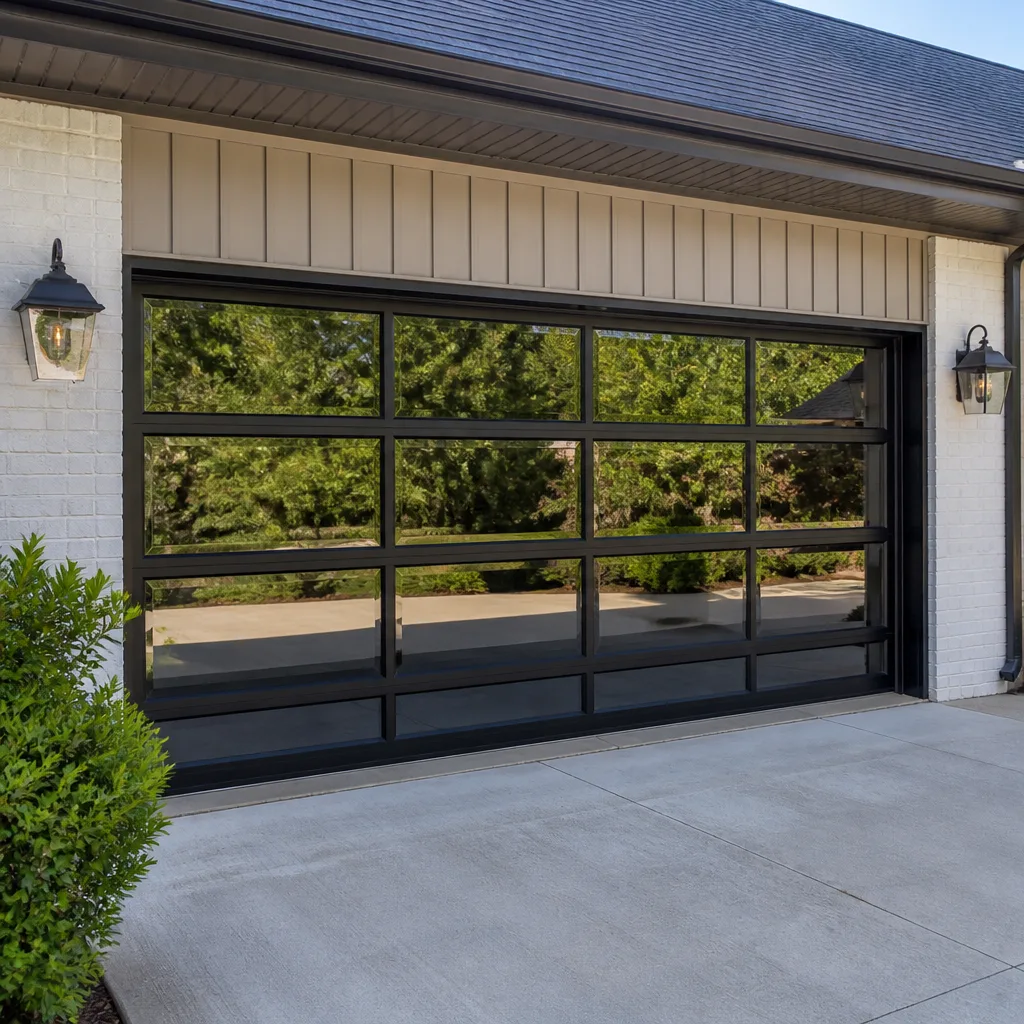 Full-view glass
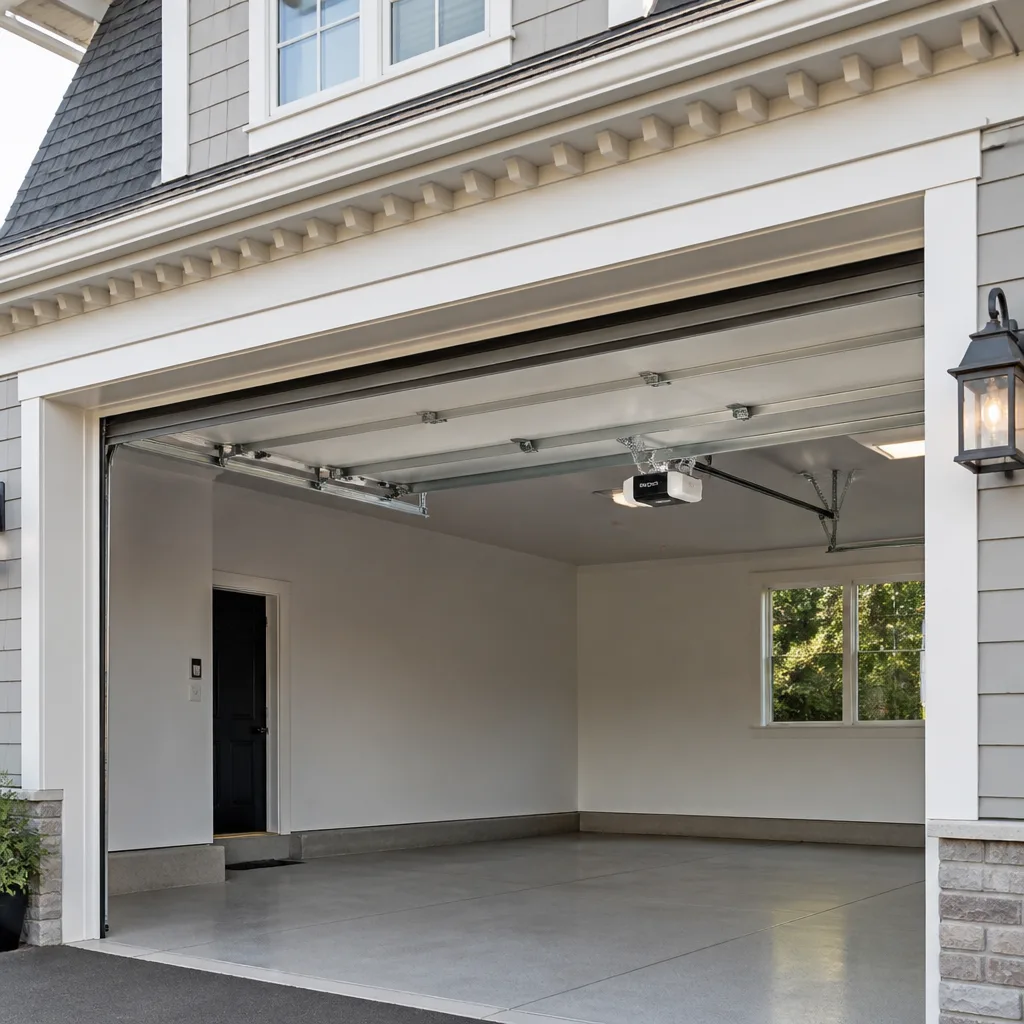 LiftMaster openers
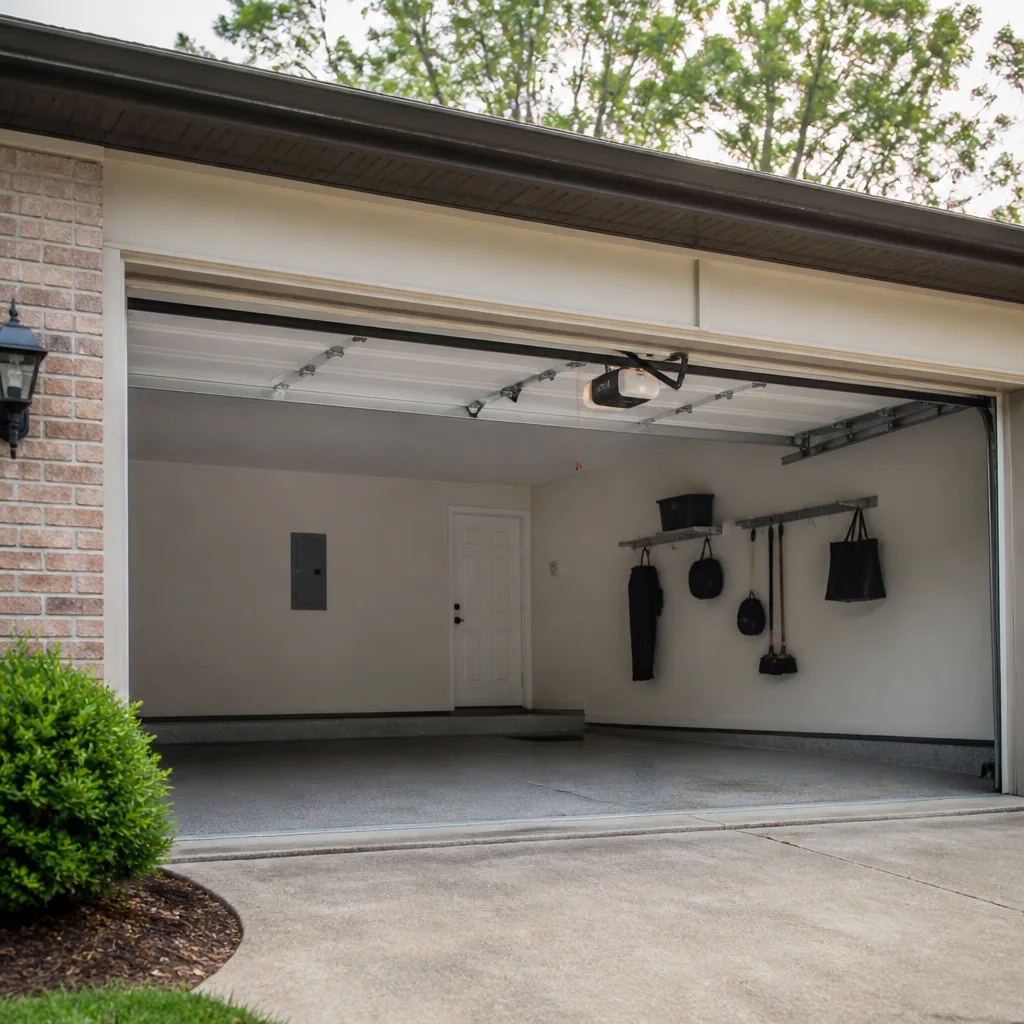 Chamberlain openers
Full 25-point door and opener safety check with every visit - springs, cables, rollers, tracks, and your LiftMaster or Chamberlain opener included
You get a price before we start. It does not change when the pro arrives.
Get your free estimateGarage Door Emergency Preparedness Guide for Maplewood Homes
Most garage door emergencies don’t come out of nowhere. They cluster. In Maplewood, we see the same three triggers line up again and again: a hard cold snap that stiffens every moving part, a storm that takes the power out for hours, and a spring that’s been quietly counting down its last cycles during the heaviest-use months of the year. Homeowners tend to treat a stuck door as sudden bad luck. It’s usually a predictable failure arriving on schedule. The problem is that people respond to it with force, and force turns a service call into a bigger repair. This guide covers the conditions that cause failures in Maplewood, the exact sequence to follow when a door won’t move in sub-zero temperatures, how to release a door manually by brand, and how to decide whether tonight’s problem is a call-now emergency or a secure-it-and-wait situation.
Quick Answer
A garage door emergency in Maplewood is usually manageable if you stop pulling on the door, use the manual release correctly for your opener brand, and secure the opening before the cold or the weather makes things worse. Call a technician the same night when a spring is broken, a cable has snapped, or the door is stuck open and can’t be secured. A door that simply won’t respond to the remote, or one that’s frozen shut, is usually safe to secure and address with a proper repair call rather than a middle-of-the-night scramble.
Styles & brands we work with
- Raised-panel steel
- Carriage house
- Modern flush
- Full-view glass
- LiftMaster openers
- Chamberlain openers
Table of Contents
- Why Garage Door Emergencies in Maplewood Follow a Pattern
- What to Do When a Door Won’t Open in Sub-Zero Cold
- The Manual Release by Opener Brand
- How to Secure a Door Stuck Partially Open Overnight
- The Pre-Storm Checklist for Maplewood Homes
- Same-Night Call or Wait Until Morning?
- Springs, Cables, and the Failures You Must Not Touch
- Common Mistakes to Avoid
Why Garage Door Emergencies in Maplewood Follow a Pattern
Garage doors fail in weather, not in a vacuum. The moving parts on a typical residential door – rollers, hinges, bearings, and the torsion or extension springs – are built to tolerances that assume a normal operating temperature. When Maplewood gets one of its extended cold snaps below -15°F, metal contracts, lubricant turns thick, and the whole assembly gets stiffer. A door that ran smoothly in October suddenly needs more force to lift. That extra resistance is what breaks things.
The second pattern is electrical. Winter storms and summer thunderstorms knock out power across Maplewood neighborhoods, and a door with no power is a door that doesn’t open from the car or the wall button. If someone in the household is inside the garage when the lights go out, the instinct to force the door up by hand is strong. That instinct is what snaps cables.
Here’s the counterintuitive part: the failures we see aren’t random breakdowns. They’re the predictable output of three conditions.
- Cold stiffening. Sub-zero temperatures make every moving part harder to move, so a door already near the end of its spring life gives out under the extra load.
- Power loss. A dead opener creates a false sense that the door is broken, when the door is mechanically fine and only the opener is offline.
- High-use periods. Spring and fall are when Maplewood households move the most stuff in and out of the garage, and cycles add up fast on tired springs.
If you understand these three triggers, you can do two things: reduce the load on your door before the cold or the storm hits, and respond correctly when something does fail. Preparedness beats panic every time. When a repair is needed, our garage door repair service is set up to handle the failure modes that follow winter weather.
What to Do When a Door Won’t Open in Sub-Zero Cold
When it’s below zero in Maplewood and the garage door won’t open, the first rule is counterintuitive: stop trying to open it. The most common way a manageable cold-weather problem becomes an emergency is a homeowner repeatedly hitting the opener or hauling up on the door by hand, adding force to an assembly that’s already resisting. That’s the exact sequence that snaps a cable or strips a gear in the opener.
Work through these steps in order:
- Stop pushing the button. Give the opener a rest. Cycling it repeatedly against a frozen or stiff door puts load on the motor and the drive mechanism.
- Check the power. Is the opener light on? Is there power in the rest of the garage? If the breaker is tripped, reset it once and see whether the door responds. A dead opener is not a broken door.
- Look for ice at the floor seal. A rubber bottom seal can freeze to a concrete slab overnight, especially if meltwater from the car pooled at the threshold. Ice bond at the floor is the single most common reason a door won’t lift in a Maplewood cold snap.
- Do not pry or kick. Breaking the seal with a pry bar or a boot can bend the bottom section, warp the track, or damage the seal itself, turning a five-minute fix into a panel replacement.
- Let it thaw gradually. Warm the bottom seal area with a household fan or a space heater placed safely, never with boiling water poured on the track or a torch. Rapid heat on a frozen metal track can crack paint and seals.
- Try one clean lift. Once you’ve freed the seal and the door has been allowed to warm, try the opener once. If it still won’t lift or moves with a grinding or scraping sound, stop and call.
If you follow that sequence and the door still won’t budge, it’s a mechanical problem, not a temperature problem. That’s the point to make the call rather than keep forcing. The same logic applies to garage door opener repair – a motor that’s being asked to do more than it should will eventually fail, and it tends to fail at the worst possible time.
One more thing specific to Maplewood homes: garages attached to the house sit on a warm-to-cold line, so the slab under the door can stay cold even after the outside air warms up. A door that froze overnight may not free itself just because the afternoon is milder. Clear the ice at the threshold yourself and keep the seal dry where you can.
The Manual Release by Opener Brand
Every major residential opener has a manual release, and it works on the same basic principle across brands: a cord or lever disengages the opener’s carriage from the drive so you can lift the door by hand. Knowing exactly where it is on your opener, and what it looks like, is the single most useful piece of preparedness for a Maplewood power outage. During a storm, the lights go out and the release is the difference between getting the car out and being stuck.
The general procedure is the same for Chamberlain, LiftMaster, Genie, and Craftsman units, and for the Raynor and Amarr openers we work on:
- Find the release cord. It hangs from the carriage on the rail, usually with a red or T-shaped handle. On some units it’s a lever instead of a cord.
- Pull down and toward the door (in the direction of the garage door opening), not sideways. The carriage should disconnect with a click.
- Lift the door by hand, slowly. A well-balanced door should lift with modest effort. If it feels extremely heavy or won’t stay up, stop; a broken spring or a badly off-balance door needs a technician, not a manual lift.
- Re-engage when power returns. Run the opener once and the carriage usually reconnects automatically as it travels; on some units you pull the cord again or snap the lever back into place. Test the door with a short cycle before trusting it.
Brand-specific notes that matter in the moment:
- Chamberlain and LiftMaster use the same carriage and trolley design, so the release behavior is identical. The trolley reconnects when the opener is run and the door moves through a full cycle.
- Genie models vary. Screw-drive and belt-drive units have the release in slightly different positions along the rail, so look along the rail rather than assuming it’s at the same spot as a chain-drive unit.
- Craftsman openers, many of which are built on the same platform as Chamberlain units, typically use the same red-handle pull cord.
If you can’t find the release or the door won’t lift by hand after you’ve pulled it, don’t force it. That’s the point to call. A stuck manual release is a repair, not a homeowner project. If you’re ready for a service visit, our crew handles Maplewood Garage Door Repair Pros calls across the area, and the release failure will be diagnosed on the first visit.
How to Secure a Door Stuck Partially Open Overnight
A door that’s stuck halfway open in a Maplewood winter is a real problem: heat escapes, snow and wind get in, and the opening is a security gap. You can’t leave it that way overnight, and you may not be able to get a technician out the same evening. Securing it is doable, and it doesn’t require opening the mechanism.
Work from the safest angle: keep your hands and body clear of the moving parts, and don’t try to lift, push, or “help” the door up or down. If the door is stuck because of a broken spring or cable, it’s holding weight it can’t safely hold, and adding your force can cause the door to come down unpredictably. Treat it as immovable and secure the opening around it.
- Block the opening from the inside. A piece of plywood or a rigid board braced against the door frame on the inside closes the gap far better than a tarp. Cut it to fit snugly or brace it against the track and the floor so wind can’t push through.
- Anchor the door itself. C-clamps or locking pliers on the track just above a roller will keep the door from sliding further down the track, but only if the door is already stable and the track is undamaged. Never clamp the track if the door is holding weight from a broken spring; the door should be considered unsupported and left alone.
- Insulate the gap from drafts. A thick blanket or moving pad tacked over the inside of the opening helps hold heat until morning.
- Disable the opener. Unplug it or turn off the breaker so nobody in the household can trigger it and move a stuck door unexpectedly.
- Close the interior door. Keep the house-to-garage door shut and weather-stripped so the garage doesn’t pull heat from the living space.
If the door can’t be secured – it’s hanging off a track, or it’s stuck well above the floor and won’t hold – don’t sleep in the house with a compromised garage. Call for emergency service and get a technician out to stabilize it, or if that isn’t possible, secure the rest of the house and treat the door as an open opening. For a door that needs full replacement after damage, our garage door installation service covers the whole job, so you’re not stuck with a patched-up fix.
The Pre-Storm Checklist for Maplewood Homes
The best emergency preparedness in Maplewood happens before the storm shows up. A heavy snowfall or an ice event can pin a door, freeze its seal to the slab, or knock out power for hours. Ten minutes of checking the door before the weather hits is worth more than anything you can do after it.
Run through this list before the forecast turns:
- Test the balance. With the opener disengaged, lift the door by hand to about halfway. A correctly balanced door should stay in place, or drift slowly. If it slams down or needs real effort to lift, the springs are tired and cold weather will expose it.
- Clear the threshold. Sweep leaves, grit, and ice from the bottom seal and the slab in front of it. Dry concrete doesn’t freeze to a rubber seal the way a wet slab does.
- Check the seal itself. A brittle, cracked bottom seal leaks heat and water, and that water is what freezes overnight. Replace a failing seal before the cold sets in.
- Lubricate the moving parts. A few drops of a proper garage door lubricant on the hinges, rollers, and bearings – not WD-40 on the tracks – keeps the door running smoothly in cold weather.
- Check the manual release. Make sure the release cord is hanging free and accessible, not tangled in the door’s hardware or caught behind something stored on a shelf.
- Clear the snow away from the door. After a snowfall, shovel the area in front of the door so snow doesn’t pile up against the bottom panel and freeze.
- Check the safety sensors. Clean the photo-eye lenses on both sides of the door and confirm the door reverses when tested. A sensor that’s fogged up or iced over will stop the door at the worst time.
If your door is a Wayne Dalton or an Amarr – two very common doors on Maplewood homes – the same checks apply. Balance and seal condition matter more than the brand when it comes to winter reliability. If you want a professional look at the door before the season gets hard, a service call is cheaper than an emergency repair.
Same-Night Call or Wait Until Morning?
Not every garage door problem is a 2 a.m. emergency. Sorting the real ones from the ones that can wait keeps you from making a rushed call and helps you respond with the right level of urgency. Here’s the split we use:
Call now, same night:
- A torsion spring is visibly broken (a gap in the coil means the door has lost its lift and may also be unsafe to move).
- A cable has snapped or is hanging loose.
- The door is stuck open and can’t be secured, or is hanging off its track.
- The door is resting on or near a person or vehicle and can’t be moved safely.
Secure it and call first thing:
- The opener hums or clicks but nothing moves, and the door can be opened by hand without effort.
- The remote or wall button doesn’t respond but the door is balanced and closes fully.
- A door that’s frozen shut but not damaged, where the seal can be freed and the door will lift.
- A sensor fault that stops the door when it’s near the floor, provided you can hold the button to close it completely.
The line is simple: if the door can be secured and nobody’s safety is at risk, it can wait for morning. If the door is holding weight it can no longer hold, if it’s open to the weather, or if it’s physically unstable, that’s a same-night call. We’re set up as an emergency garage door specialist in Maplewood precisely because these failures don’t respect business hours. For a breakdown at midnight or a car trapped in the morning, call (855) 550-7783 and we’ll get a technician on it.
One Maplewood-specific wrinkle: our week runs through Sunday, and we’re closed on Saturday. If a door fails on a Saturday, call and we’ll book you for Sunday. Secure the opening as best you can in the meantime, and treat it as a wait-until-morning situation unless the door is physically unstable.
Springs, Cables, and the Failures You Must Not Touch
Torsion springs and the cables that run alongside them hold the full weight of the garage door under high tension. When a spring is intact, that stored energy balances the door so it feels light. When a spring breaks or a cable snaps, that energy releases instantly, and it can be dangerous. This is the one part of a garage door that a homeowner should never attempt to repair. There’s no safe way to handle a wound torsion spring without the right tools, the right technique, and control of the energy stored in it.
What you can do is recognize a failed spring or cable and know to stop. Signs to watch for:
- A visible gap in the coil of a torsion spring above the door, or a stretched-out, tangled extension spring on one side.
- A loud bang from the garage, followed by a door that won’t lift or feels extremely heavy.
- A cable that’s come off its drum and is lying loose against the track, or a drum that’s visibly separated.
- A door that hangs crooked or comes down unevenly.
If you see any of those, do not try to lift the door, do not try to adjust the spring, and do not attempt to reattach the cable. Keep the door in place, keep people and cars away from it, and call for spring repair. Spring repair done right means a trained technician with the correct tools for that specific door; it’s a job many general handymen decline, and for good reason. Our technicians have up to 9 years of experience with this exact work across the brands we service.
One practical note on cost: in this market, a single spring replacement typically runs roughly $180 to $340, and a matched pair is usually replaced together, so expect roughly twice that for a pair. The written quote you get before any work starts is the price you pay. We never bill more than the agreed estimate, and we’ve never changed a price after the fact without the homeowner’s approval. If you want a specific number for your door, call (855) 550-7783 – estimates are free.
Common Mistakes to Avoid
- Pulling hard on a frozen door. When a door won’t lift on a cold Maplewood morning, the instinct to add force is the fastest route to a snapped cable. Free the seal first, then try the opener gently.
- Bypassing a broken spring by forcing the door up. A door with a broken spring can’t be lifted by hand safely, and forcing it can drop it unexpectedly. Leave it closed and call.
- Trying to adjust a torsion spring yourself. A wound spring stores lethal energy. Touching it without the right tools and technique is a serious injury waiting to happen.
- Ignoring the floor seal before winter. A wet slab under a failing bottom seal freezes overnight. Replace the seal and clear the ice before the first hard cold snap, not after the door won’t open.
- Leaving a stuck door open overnight and hoping. In Maplewood weather, an open garage means frozen pipes, snow in the garage, and a security gap. Secure the opening before you go to bed.
- Repeatedly cycling a struggling opener. If the opener hums or grinds, stop pushing the button. Continued cycles burn out the motor and turn a small repair into a replacement.
- Assuming all brands behave the same. A Genie release is not in the same place as a LiftMaster’s, and a Raynor door can have a different balance than a Chamberlain rig. Know your brand before a power outage makes it urgent.
See the difference
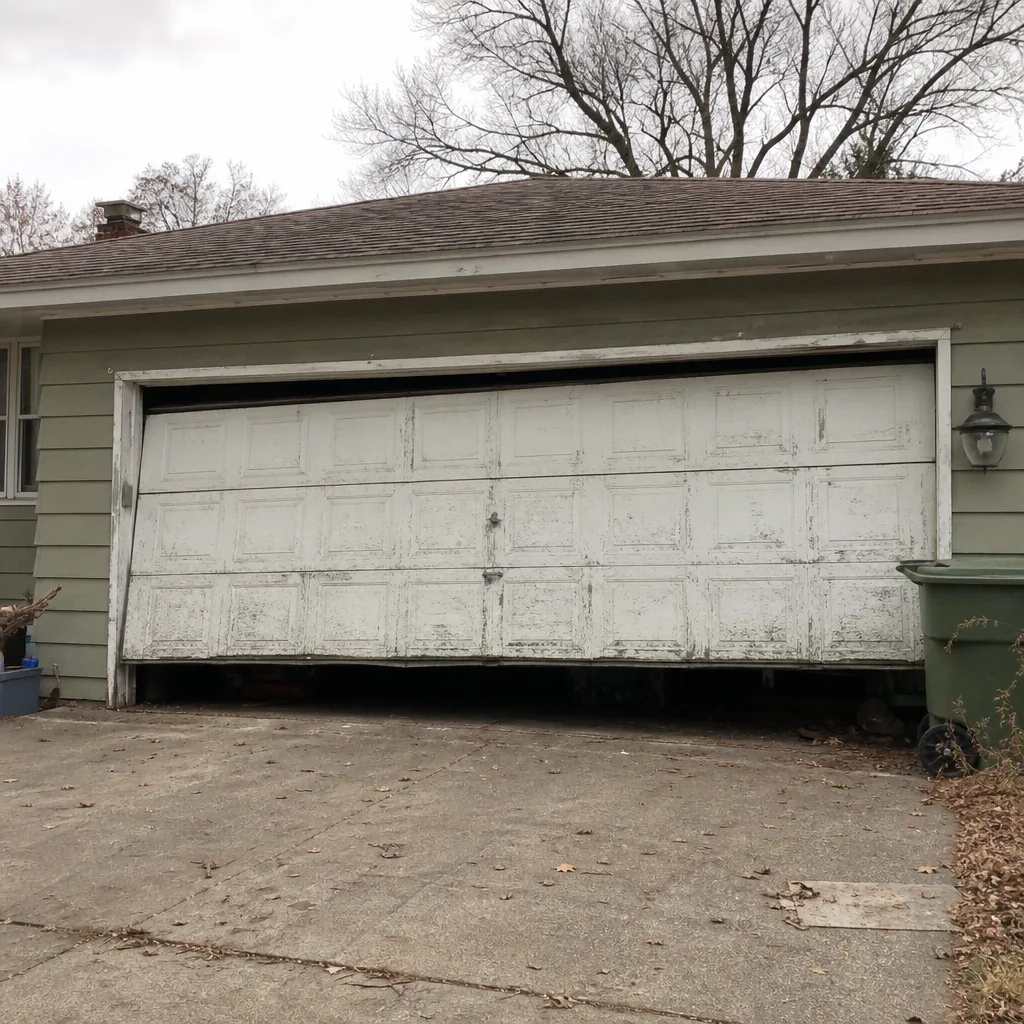 Before
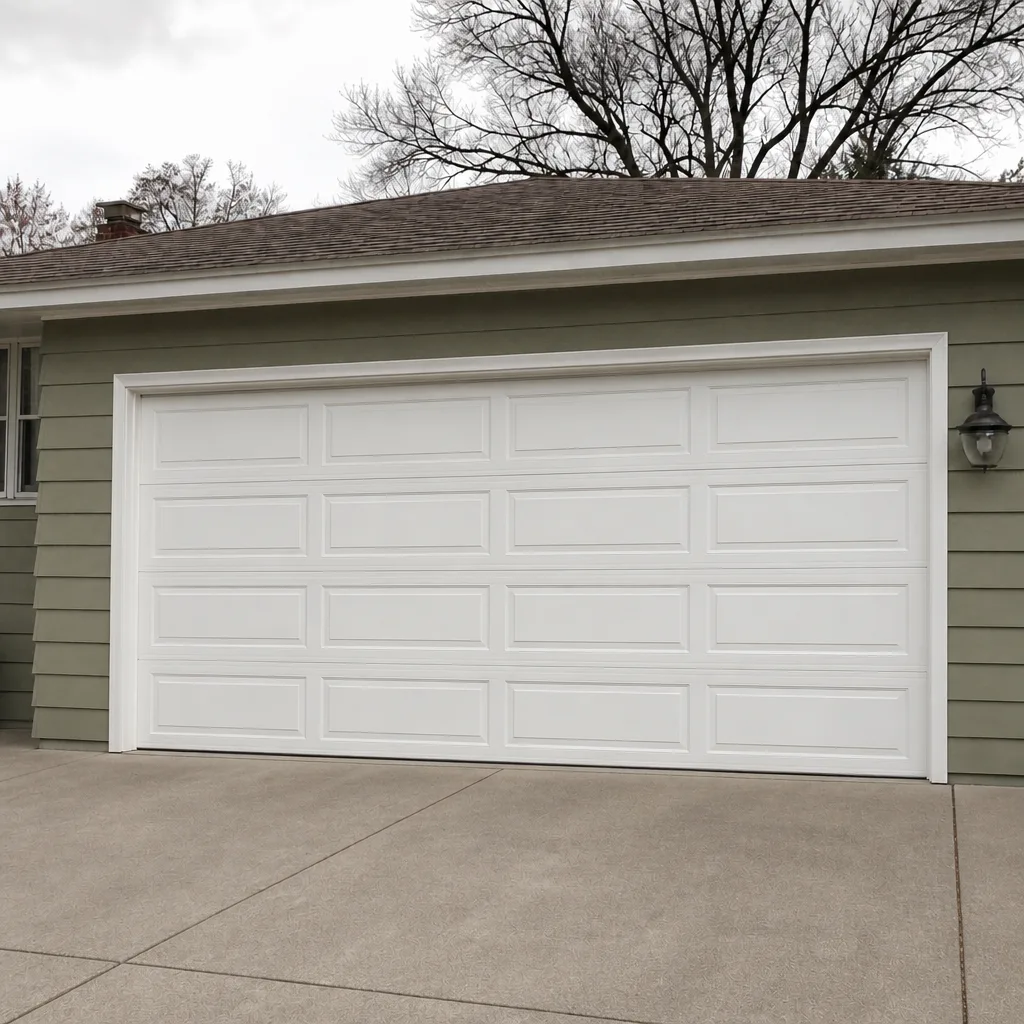 After
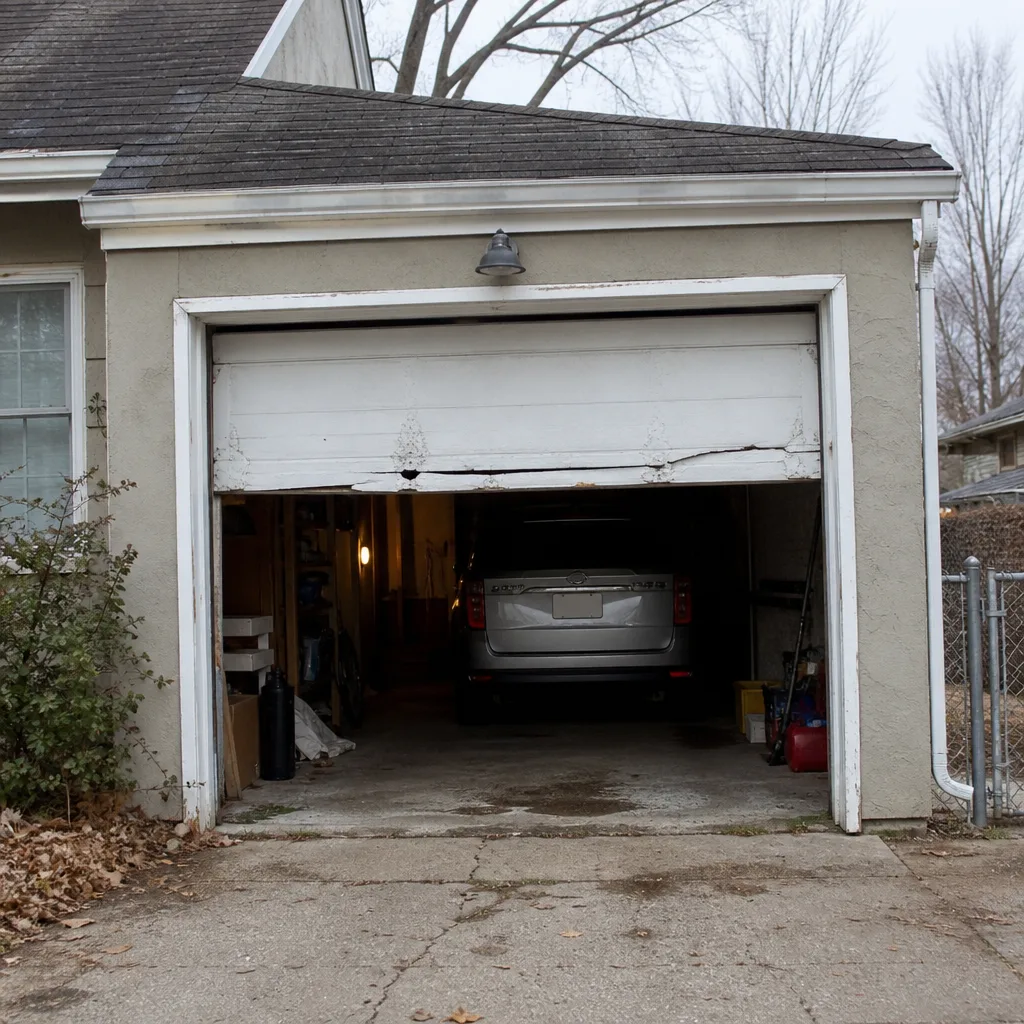 Before
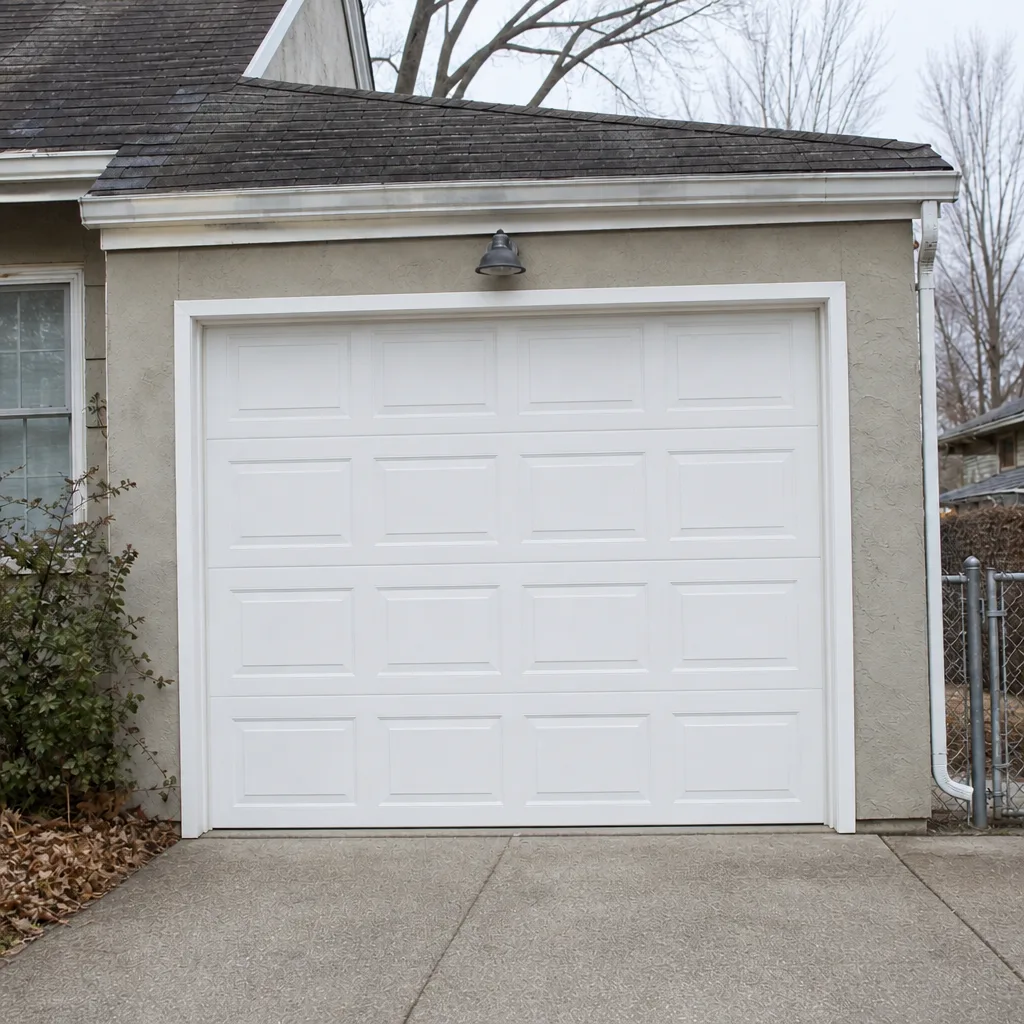 After
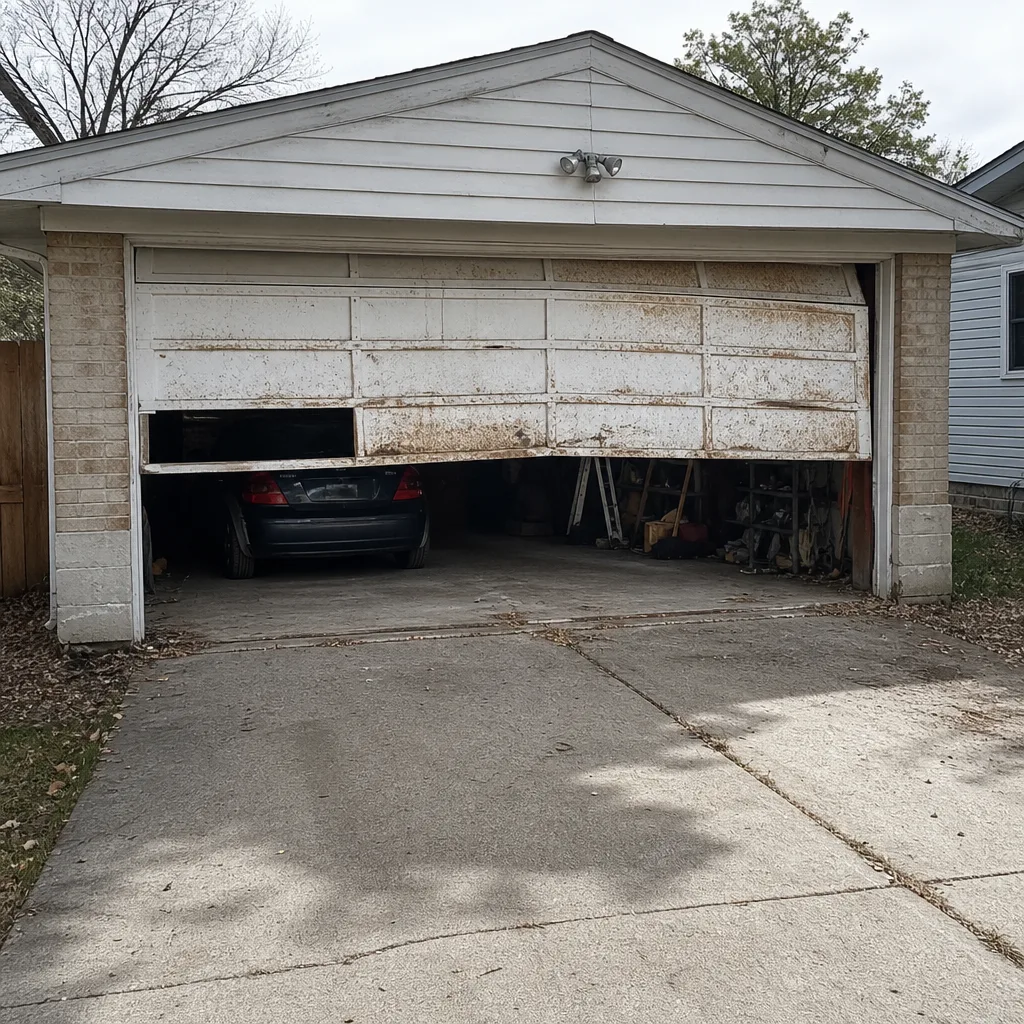 Before
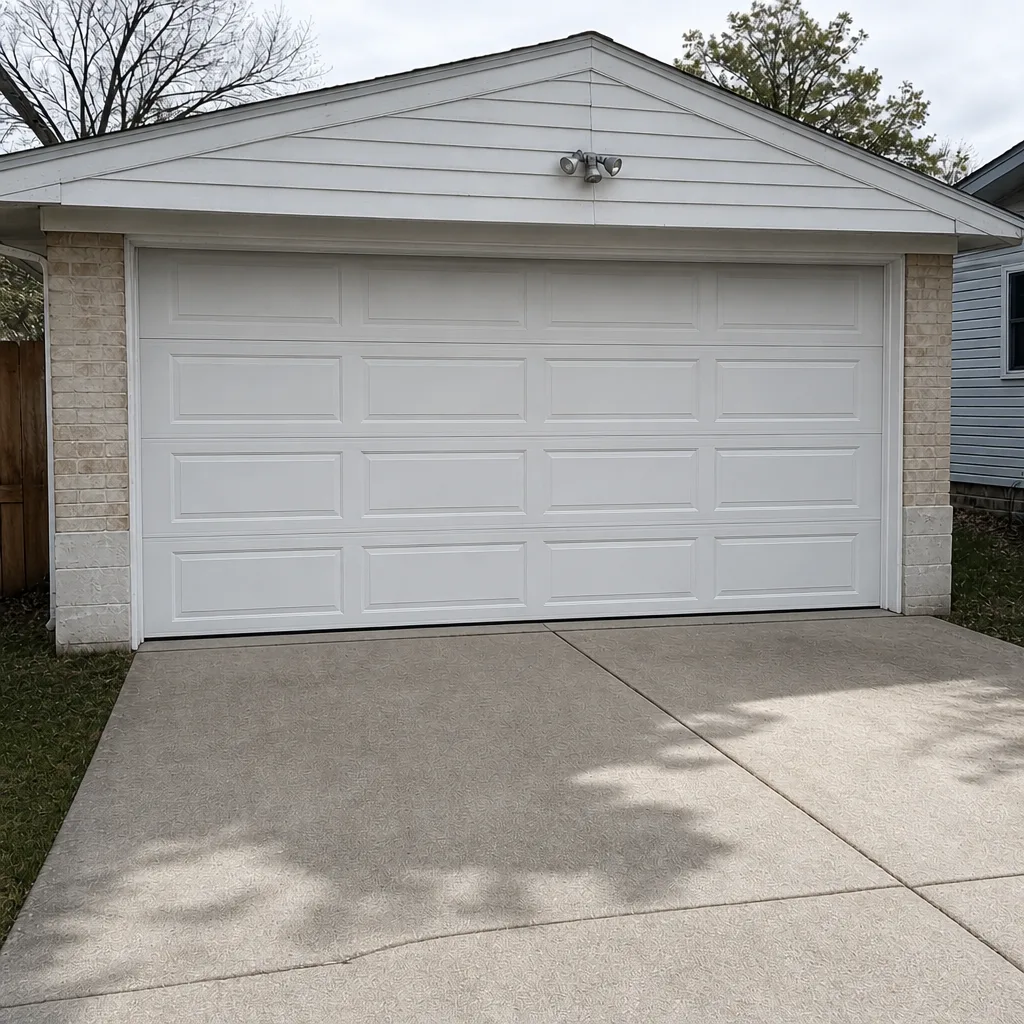 After
When to Call a Professional
Call us the same night when a spring has snapped, a cable is hanging loose, or the door is stuck open and can’t be secured before dark. Call in the morning when the opener isn’t responding but the door can be opened by hand, when a sensor fault stops the door but you can close it with the wall button, or when the door is frozen but not damaged. Call before the season turns if your door needs a balance check or a seal replacement, and call immediately if anyone is at risk or the door is physically unstable. Maplewood Garage Door Repair Pros offers free estimates in Maplewood – call (855) 550-7783. We work on Chamberlain, LiftMaster, Genie, Craftsman, Clopay, Amarr, Wayne Dalton, and Raynor equipment, so we arrive already fluent in your system.
Frequently Asked Questions
Pull the manual release cord hanging from the opener’s carriage on the rail, then lift the door by hand. Do it slowly, and if the door feels very heavy or won’t stay up, stop and call – that’s a spring problem, not a power problem. The release is the same basic design on Chamberlain, LiftMaster, Genie, and Craftsman units.
Stop pushing the button and look for ice at the bottom seal first, since a frozen seal is the most common cause. Free it gently with a fan or warm air, not a pry bar, and try one clean opener cycle. If it still won’t lift or grinds, call a technician rather than forcing it.
Spring replacement typically runs roughly $180 to $340 for one spring, with a matched pair about twice that, and other repairs vary by the job. The written quote you get before any work starts is the price, and we don’t change it after the fact. Call (855) 550-7783 for an exact quote – estimates are free.
Yes – emergency garage door repair is a core part of what we do, and we handle calls when a door fails overnight or traps a car in the morning. If the door can be secured and no one is at risk, it’s often better to wait for morning. Call (855) 550-7783 and we’ll help you sort out which situation you’re in.
Brace a rigid board or plywood against the inside of the opening, unplug the opener, and use C-clamps on the track only if the door is stable and the track is undamaged. Never clamp or force a door that’s holding weight from a broken spring. If the door can’t be secured, call for emergency service.
The local pro we connect you with is licensed and insured as their state requires. We handle the full range of garage door work, from repair through installation, and every price is quoted and agreed before any work starts. Call (855) 550-7783 with your brand and symptom and we’ll take it from there.
The Bottom Line
Garage door emergencies in Maplewood are more predictable than they look. Cold snaps stiffen the door, storms kill the power, and tired springs give out during heavy-use periods – so the two things that matter most are knowing how to release a door by hand and knowing when to stop pulling and call. Secure the opening, free the seal, disconnect the opener, and keep everyone clear of a door that’s holding weight it can’t hold. Most of the damage in a winter failure comes from force applied at the wrong moment. The rest is a repair. Call (855) 550-7783 for a free estimate.
Written by the team at Maplewood Garage Door Repair Pros.